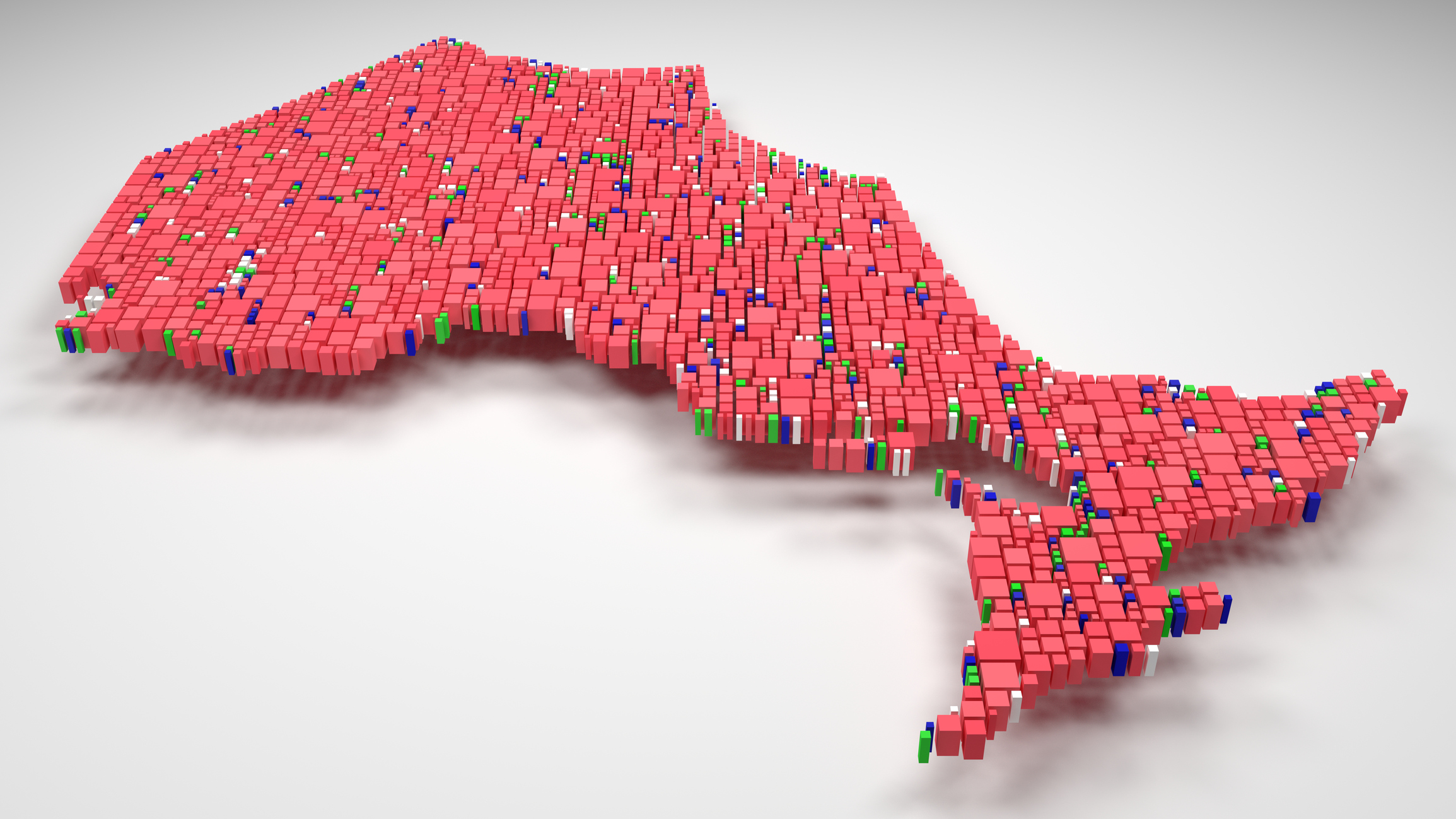
Province Releases Progress Report on Climate Change Action Plan
Yesterday, Ontario released its first progress report on its Climate Change Action Plan (CCAP), which details progress and actions taken to meet environmental targets, specifically…

Yesterday, Ontario released its first progress report on its Climate Change Action Plan (CCAP), which details progress and actions taken to meet environmental targets, specifically…
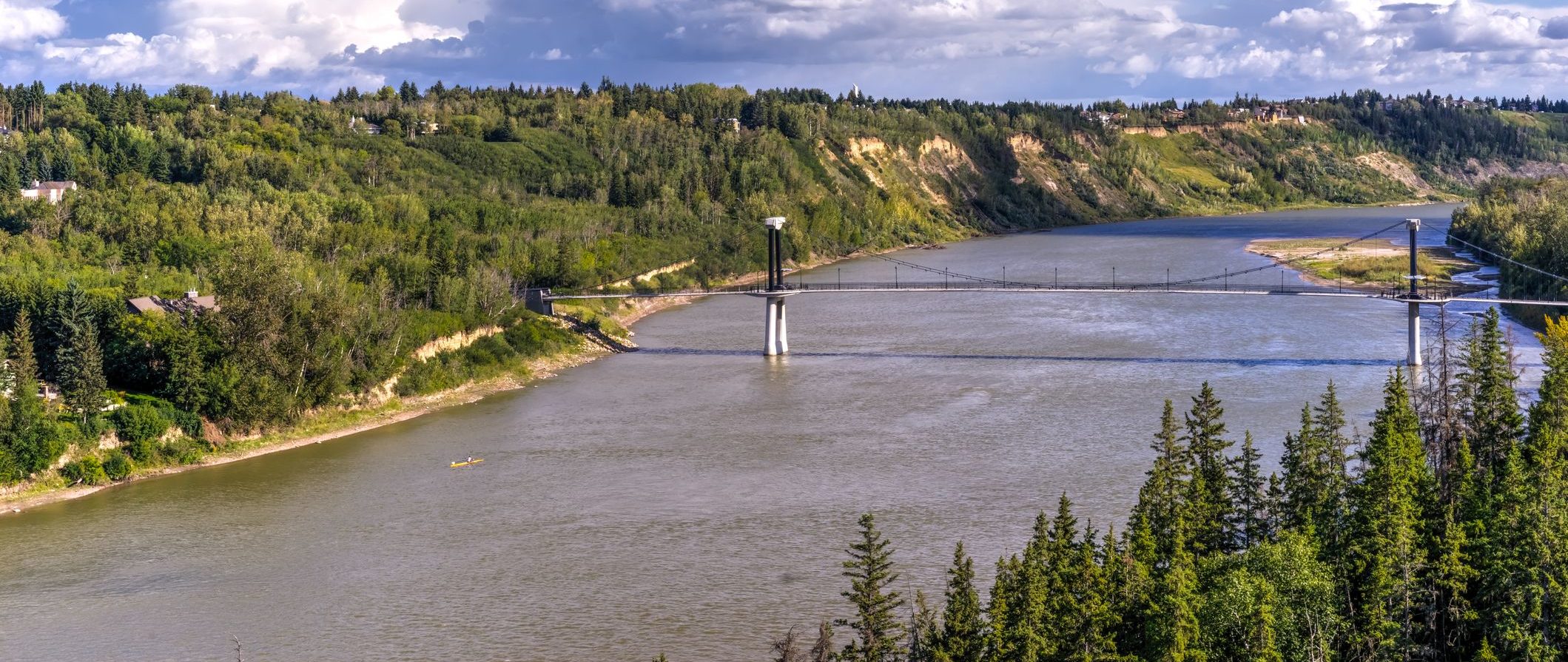
Albertan residents are invited to provide input on land use in the North Saskatchewan Region, which will directly impact watershed management in the province. The…
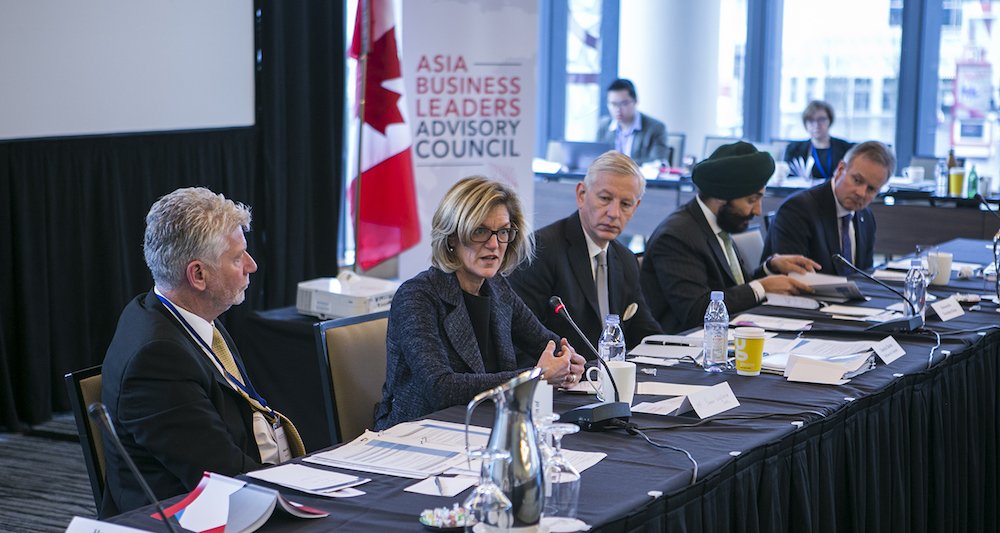
The Asia Pacific Foundation of Canada hosted its third annual meeting of the Asia Business Leaders Advisory Council in Toronto, on March 2, 2018. The group discussed…
Finance Minister Bill Morneau released the 2018-19 federal budget today in Ottawa today. The budget featured a wide range of new spending, including many line…
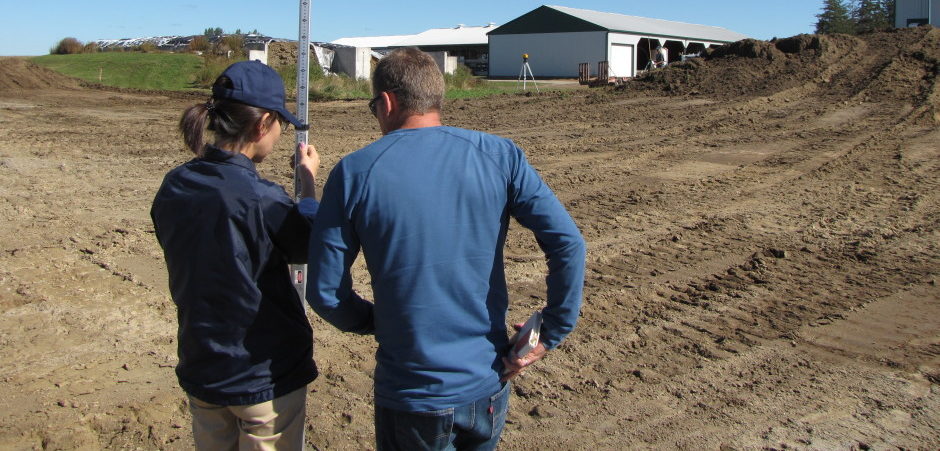
The Thames River Phosphorus Reduction Collaborative (PRC) is moving into the next phase in developing practical ways to reduce the amount of phosphorus getting into…

With approval from the Saint John Common Council, orthophosphate will temporarily be added to the city’s west-side water supply in order to stabilize scale formation…
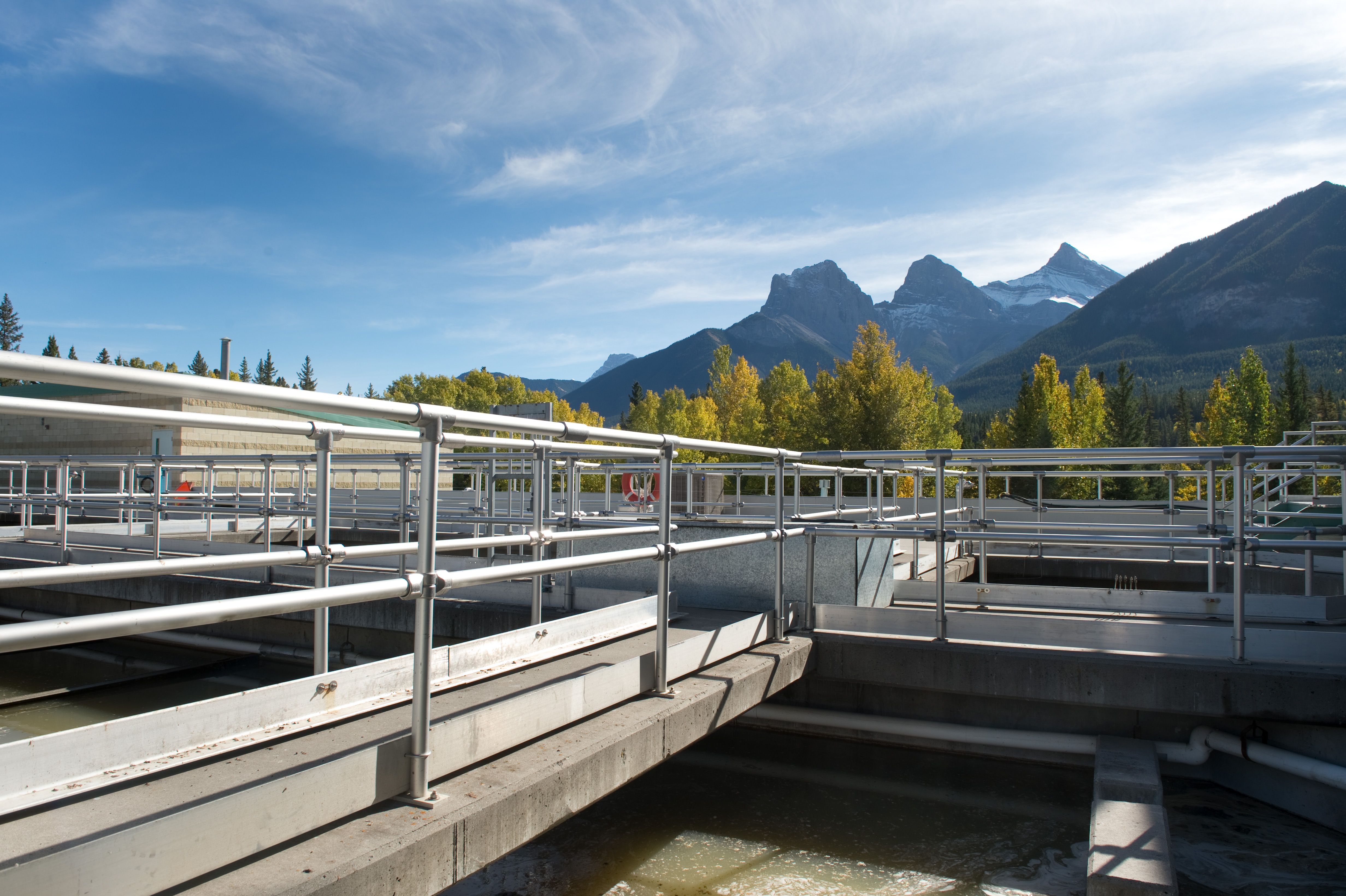
The tension is mounting in Britain. While Labour Party politician John McDonnell promises to renationalize public sector services, including water, due to the “scandalous” payouts to…

The Office of the Environmental Commissioner of Ontario (ECO) has released its annual Greenhouse Gas Progress Report for 2017, Ontario’s Climate Act: From Plan to…
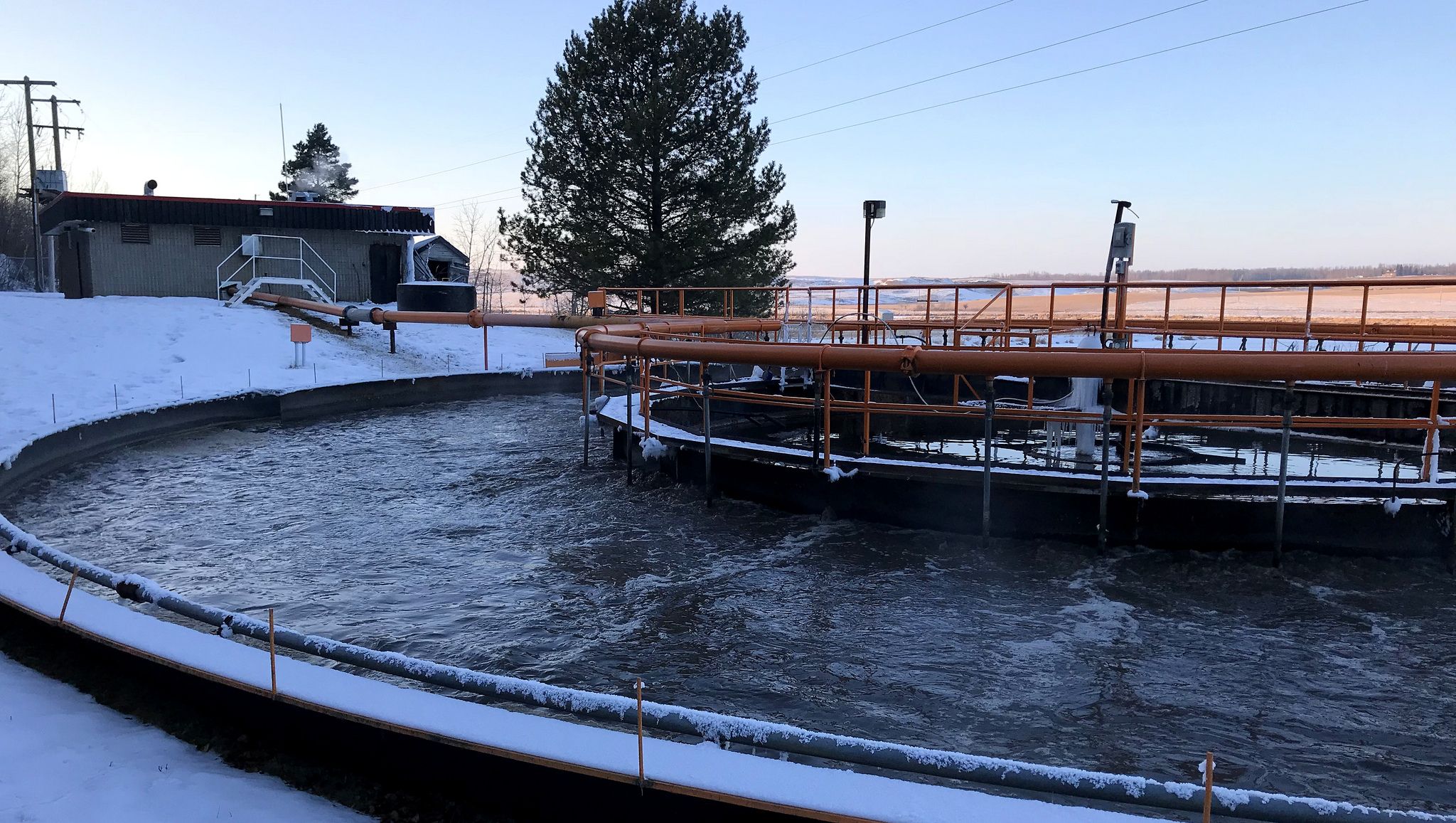
The governments of Canada and Alberta are investing in Alberta water and wastewater services, with four new projects being funded by the Clean Water and…
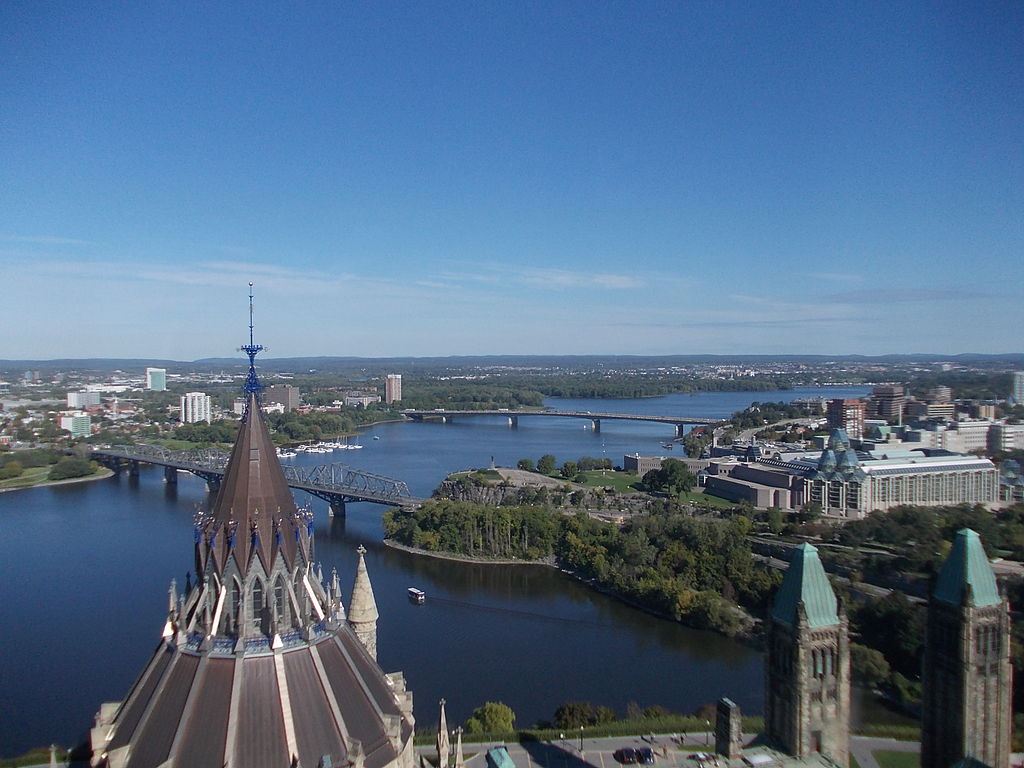
In early December, Parliamentary Budget Officer Jean-Denis Fréchette released a report that documented the government’s shortfall in spending to deliver on the 2015 campaign promise…
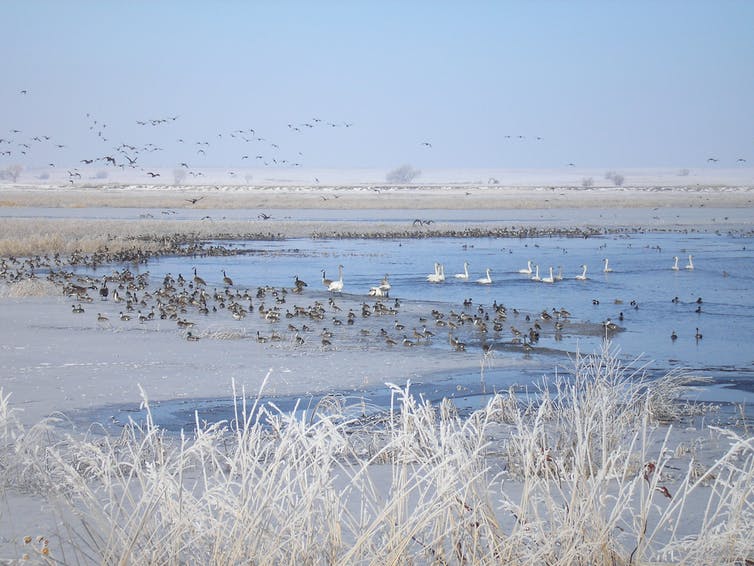
Marshes, streams and lakes lie alongside many of the roads and highways that zigzag across North America. Plants and animals inhabit these water bodies and…
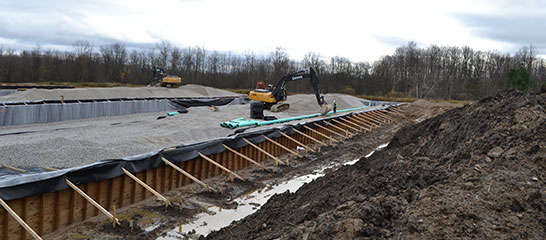
The Government of Canada and the Federation of Canadian Municipalities (FCM) have announced $45 million in Green Municipal Fund (GMF) grants and loans in support…

Krista Derrickson was recently appointed to the Environmental Operators Certification Program (EOCP) board of directors. Derrickson is a member of Westbank First Nation (WFN), and…
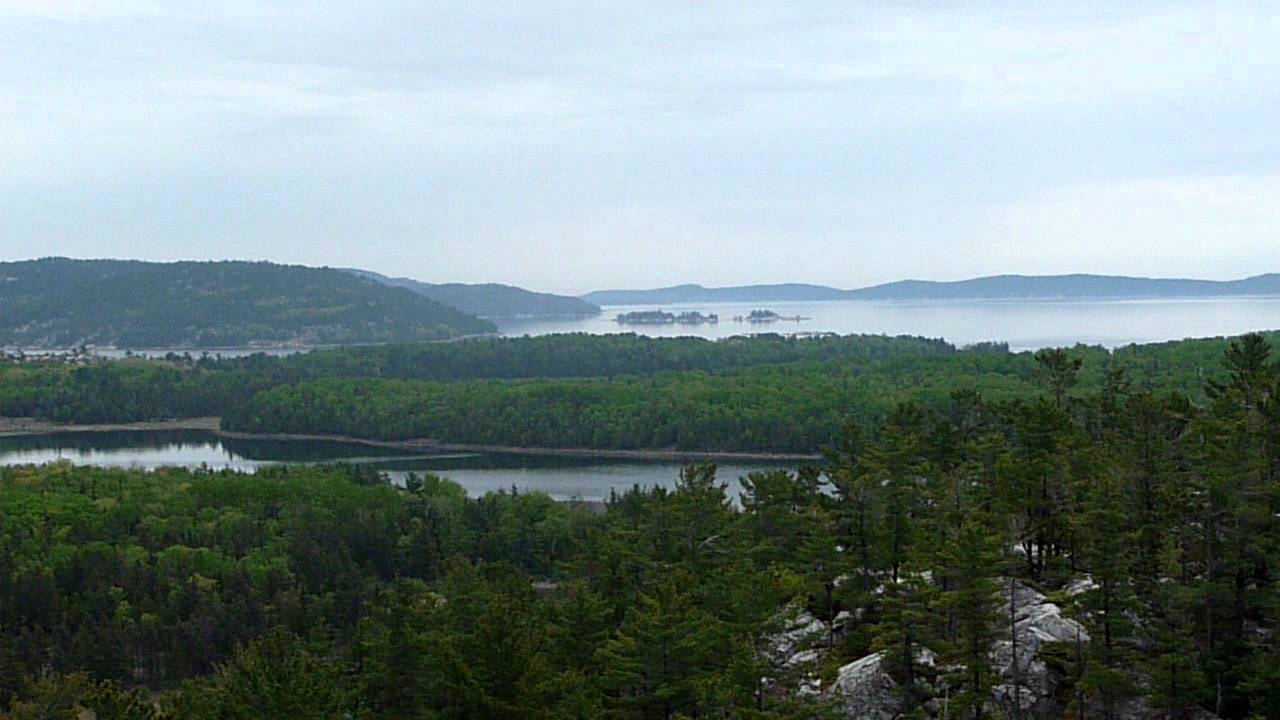
Minister of Indigenous Services, Jane Philpott has congratulated Whitefish River First Nation (WRFN), ON, on progress towards an elevated reservoir, after the community awarded a…
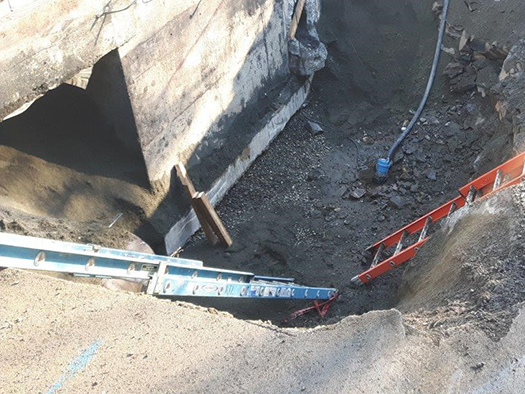
The Comox Valley Regional District (CVRD) is moving forward with the installation of temporary ultraviolet treatment that is expected to reduce boil water notices by approximately…
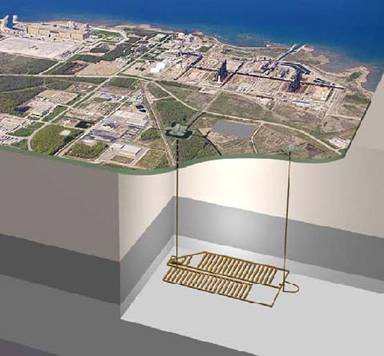
Over one hundred mayors and other elected officials have written a letter to Minister of Environment and Climate Change, Catherine McKenna, urging her government not…
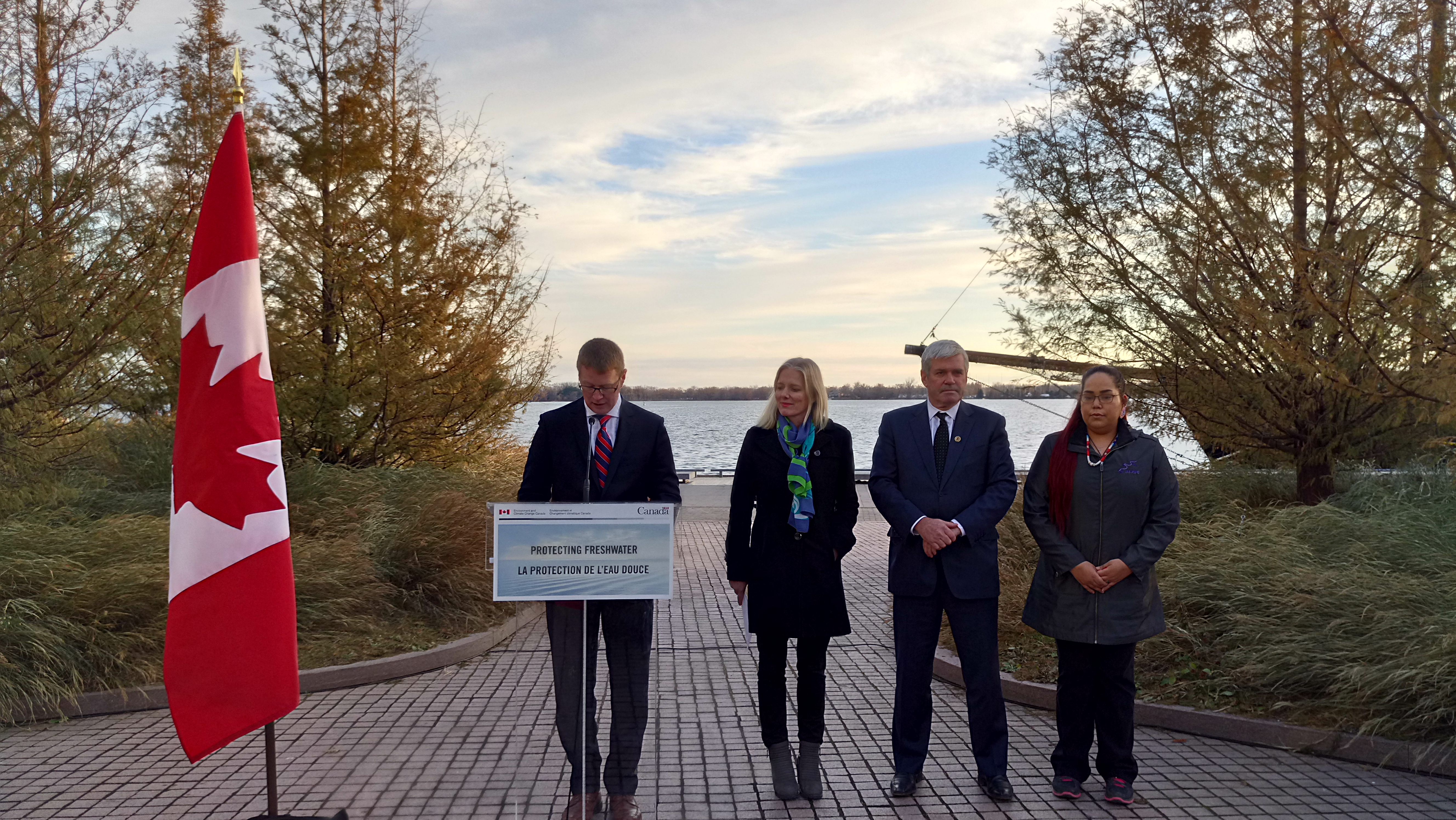
The federal government has announced $44.84 million for the Great Lakes Protection Initiative, which is part of the $70.5 million of new funding allocated for freshwater protection in…
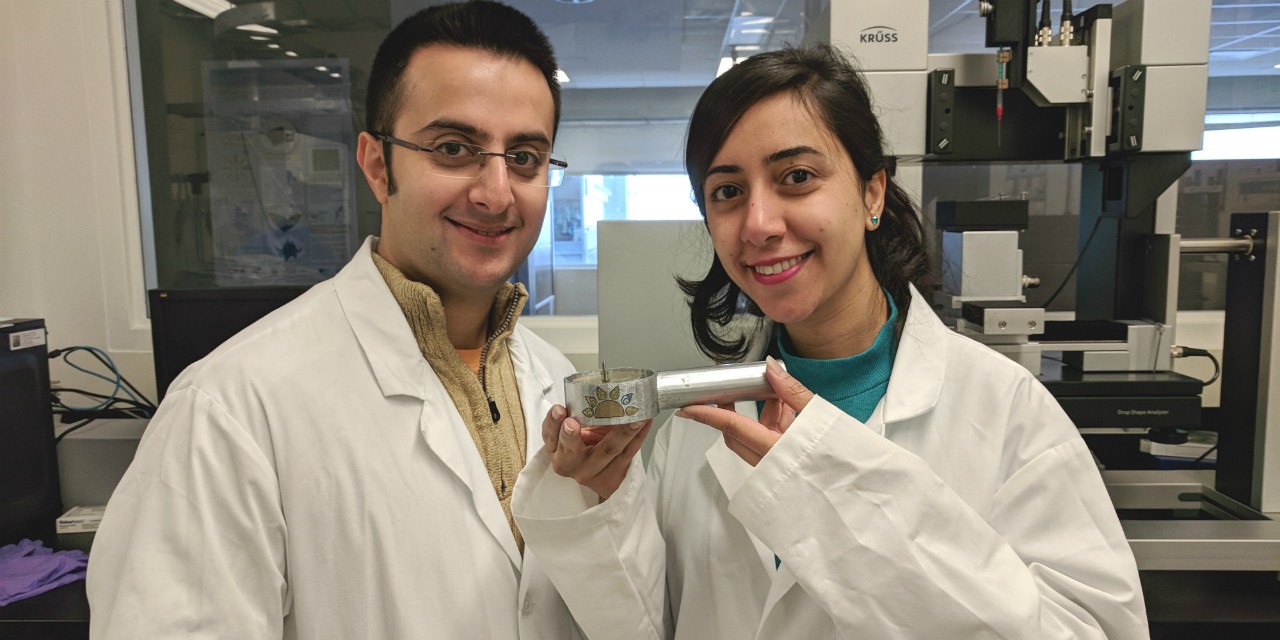
University of Alberta researchers are tackling the problem of rural and agricultural water testing by introducing a handheld sensor that can detect E. coli in…
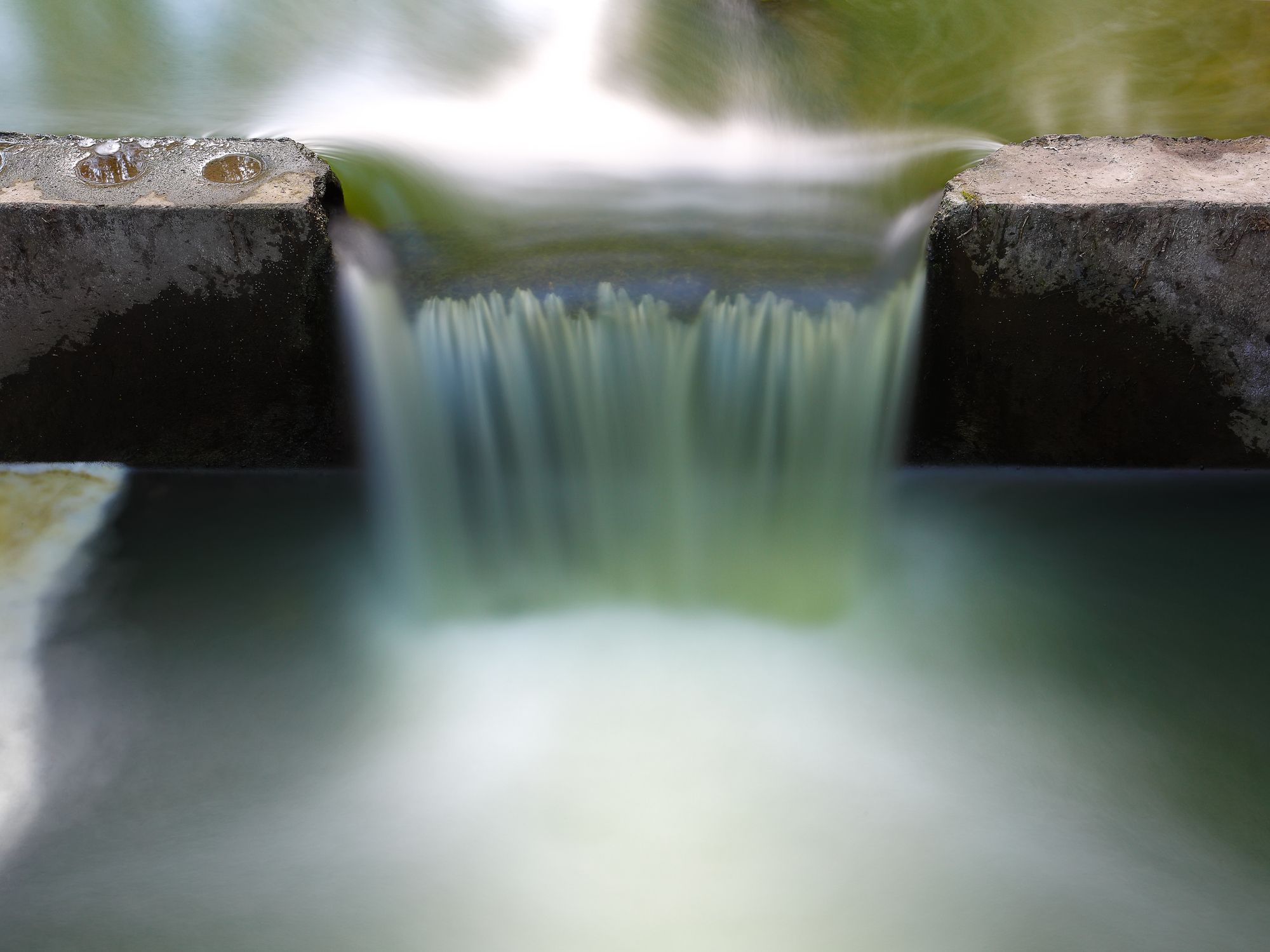
Canada and Quebec have invested in a project to improve the safety of public infrastructure in Lac-Saguay Français by refitting a flood control dam. David…
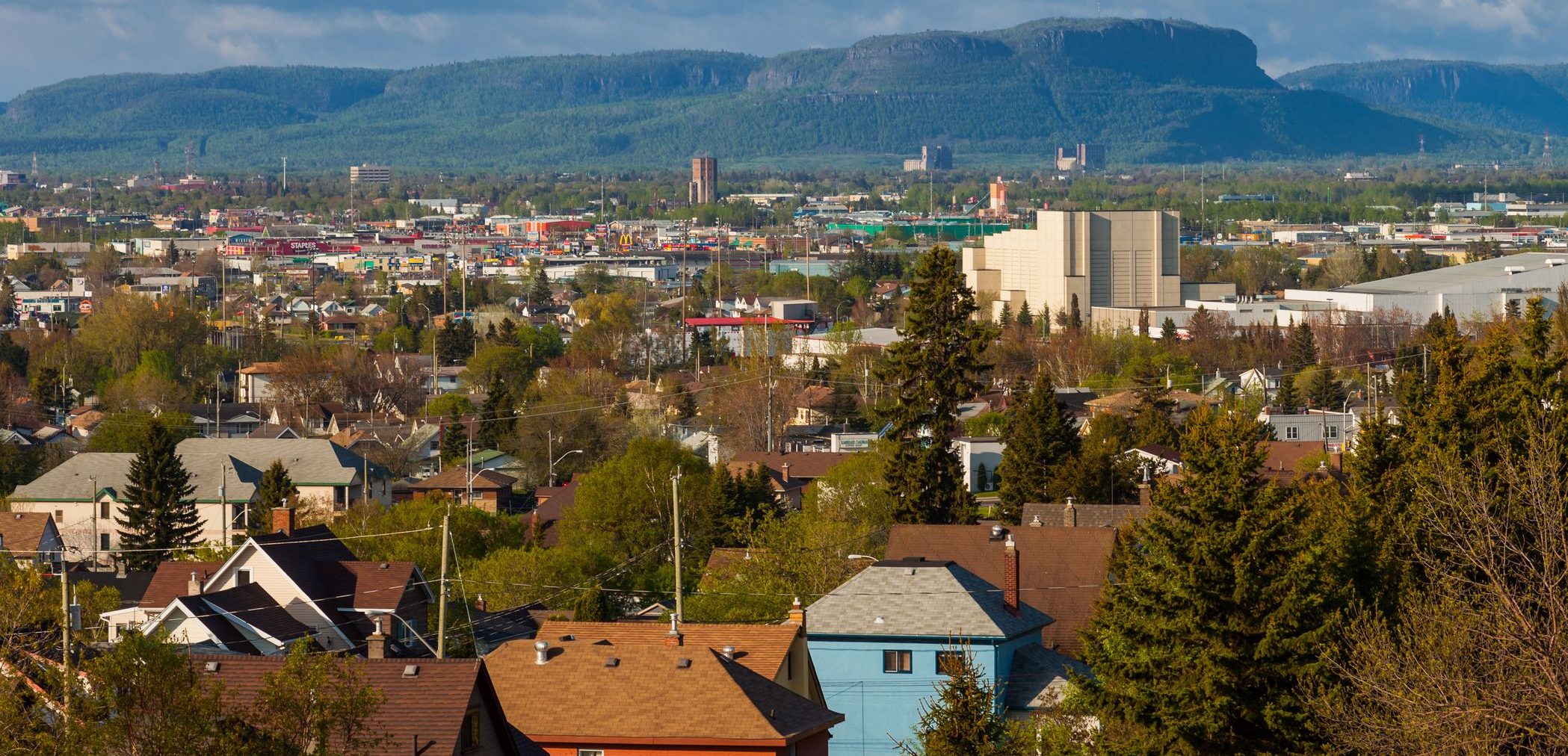
The City of Thunder Bay, Ontario has been accepted into the Federation of Canadian Municipalities’ (FCM) new Climate and Asset Management Network, which is available…
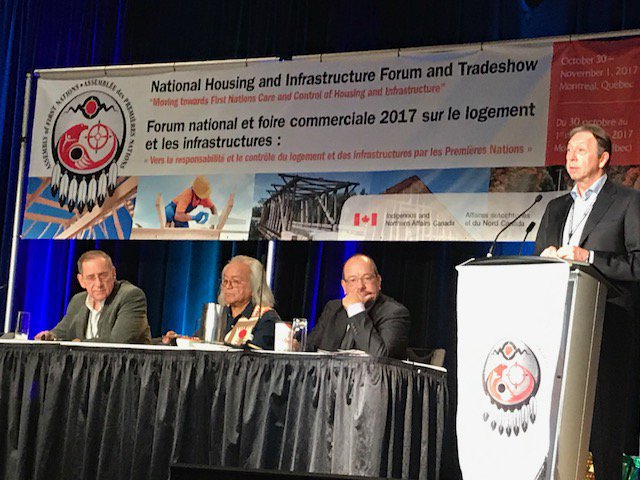
This week, experts have gathered in Montreal, Quebec to collaborate on First Nations-led solutions to the housing and infrastructure crisis facing many First Nations at the…
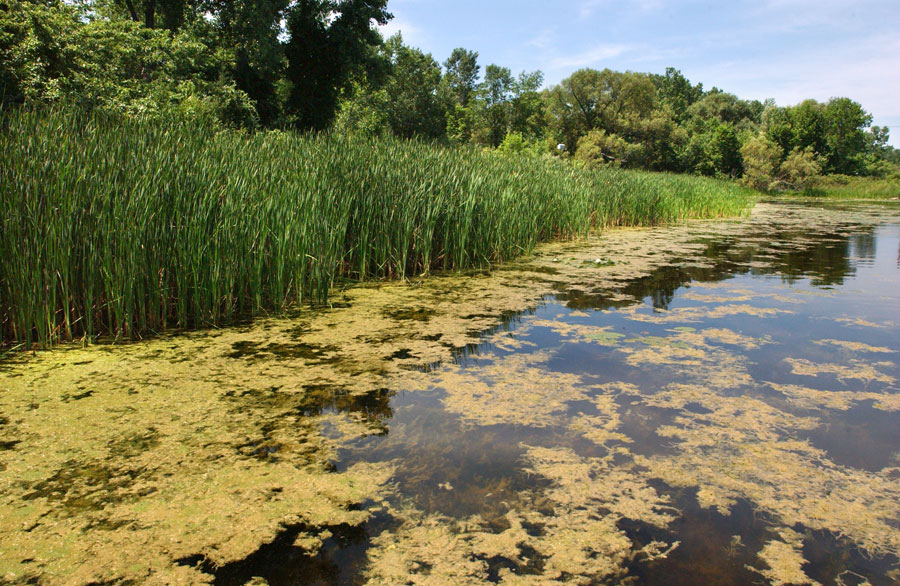
The Great Lakes Commission and The Nature Conservancy have launched new information services for their Blue Accounting initiative at the 2017 Leadership Summit of the Great Lakes and…
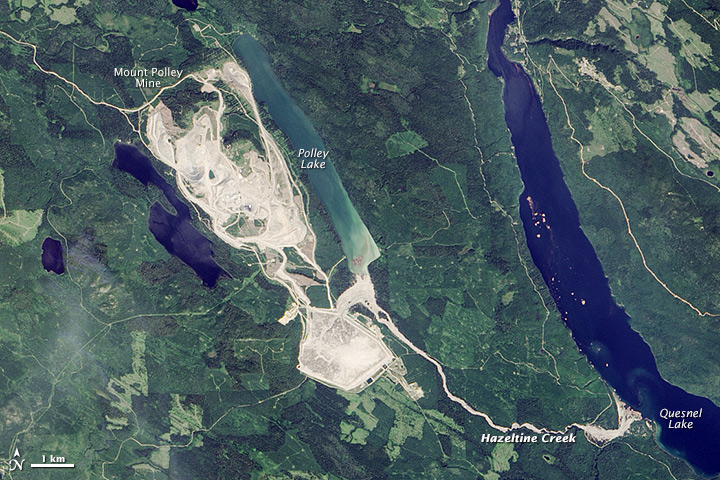
An international coalition of non-governmental organizations has welcomed the new Assessment Report Summary released last week in Geneva by the United Nations Environment Programme (UNEP), which urges States and the…
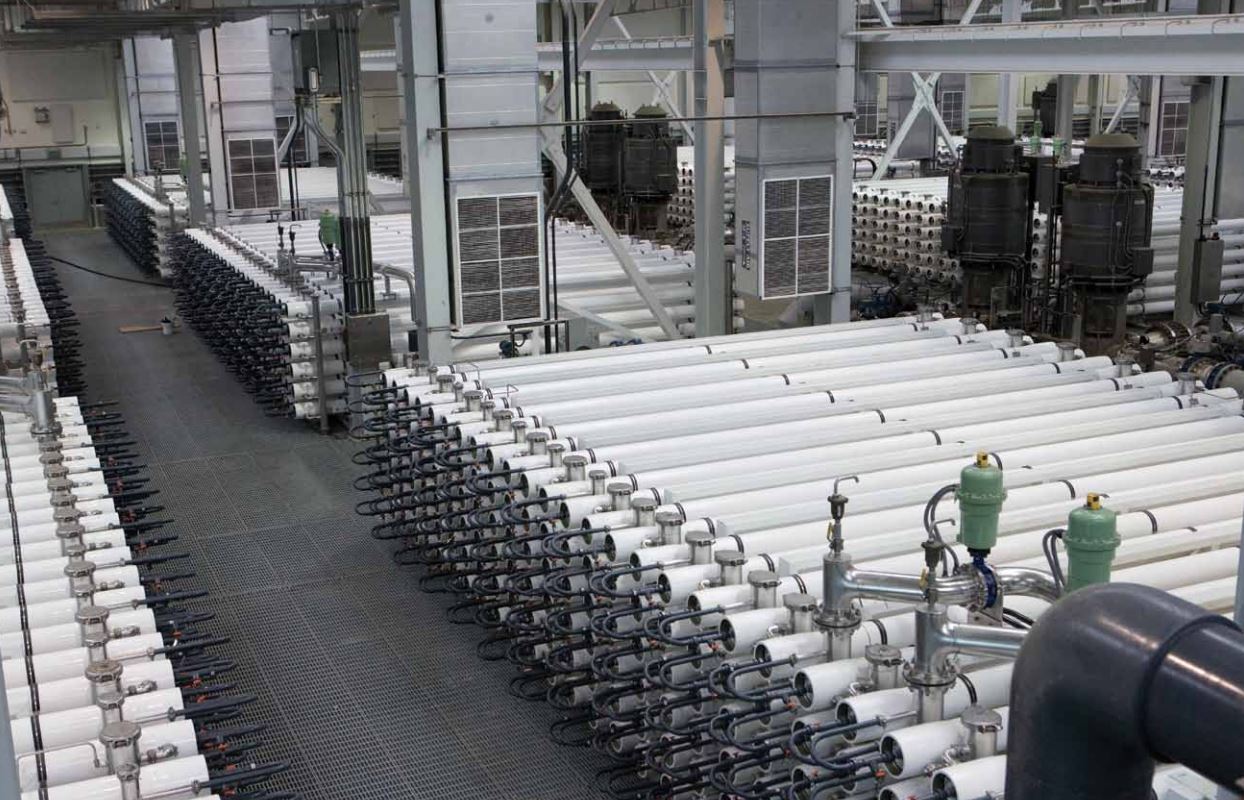
Quebec’s H2O Innovation Inc. was awarded its largest ultrafiltration contract to date with the City of San Diego, California. This new contract, for a water…