WINNIPEG — The City of Winnipeg has officially approved the contract award of $815 million to Red River Biosolids Partners for the North End Wastewater Treatment Plant (NEWPCC) Biosolids Facilities project.
The progressive design-build contract was secured by the consortium consisting of Aecon Group Inc. (acting as lead), MWH Constructors, and Oscar Renda Contracting of Canada (a subsidiary of Southland Holdings). Engineering and design services for the massive infrastructure overhaul are being delivered by Stantec and Hatch.
The contract marks the official launch of the construction phase for Project 2 of Winnipeg’s multi-billion-dollar, three-phase NEWPCC master plan—a $3.2-billion initiative that stands as the largest and most complex capital infrastructure undertaking in the city’s history.
Centralizing sludge treatment
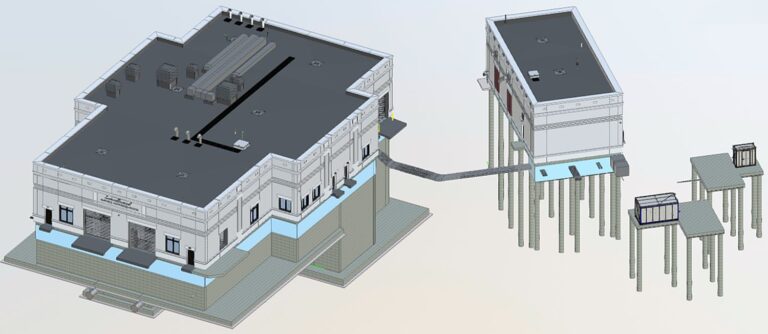
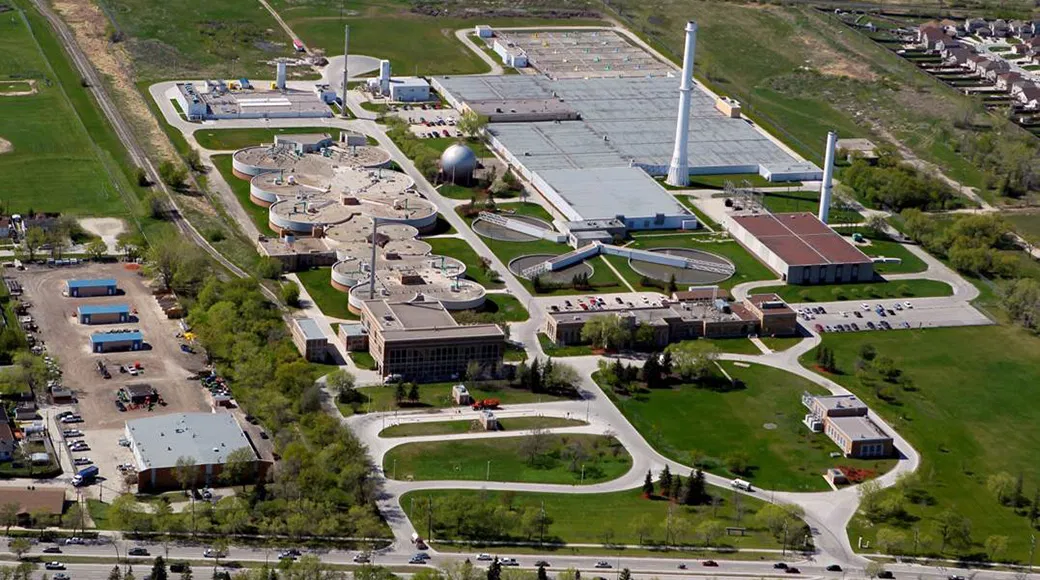
While the physical NEWPCC facility itself treats roughly 70 per cent of Winnipeg’s daily wastewater, the newly upgraded Biosolids Facility will centralize operations by receiving and processing 100 per cent of the sludge generated across all three of the city’s distinct wastewater treatment plants.
The upgraded facility will use advanced modern processing to replace aging infrastructure, transforming the combined city-wide sludge streams into treated, reusable biosolids. This will significantly expand operating capacity to handle the region’s population growth while ensuring compliance with the city’s Environment Act Licence and the provincial Water Protection Act.
NEWPCC Master Plan Timeline:
[Project 1: Power Supply & Headworks] ──> Nearing Completion (2026)
[Project 2: Biosolids Facility Upgrade] ─> Just Awarded (Substantial Completion March 2031)
[Project 3: Nutrient Removal Facilities] ─> Slated for Completion (2032)
A historic milestone
Beyond its environmental and engineering scope, the project represents a historic milestone for Manitoba’s public infrastructure procurement. This is the first major municipal capital project to officially enforce the City of Winnipeg’s Social Procurement Action Plan directive.
The design-build agreement mandates strict minimum thresholds and stretch targets for skilled, semi-skilled, and general labor, as well as specific apprenticeship ratios. These targets are legally designed to maximize employment and training representation for Indigenous peoples and other historically under-represented groups throughout the construction life cycle.
Economic and environmental outlook
According to municipal economic impact modelling, the multi-year construction phase will inject substantial economic activity into the province, contributing roughly $620.8 million to Manitoba’s GDP and generating approximately 3,770 person-years of employment.
The upgrades are critical to protecting local waterways and the broader Lake Winnipeg watershed from heavy nutrient loading. Construction on the site is slated to begin in the coming weeks. The upgraded facilities are anticipated to begin processing biosolids in October 2030, with full substantial project completion locked in for March 2031.