Surrounded by clear lakes, forested shorelines, and a thriving year-round community, the District of Lakeland, Saskatchewan is defined by its natural beauty and the people who work to protect it. In 2018, the community secured support to modernize its wastewater system, launching a plan that would blend technical expertise with environmental stewardship. The vision quickly moved from planning to action, with the goal of building reliable wastewater infrastructure that could support residents, visitors, and the surrounding ecosystem for decades.
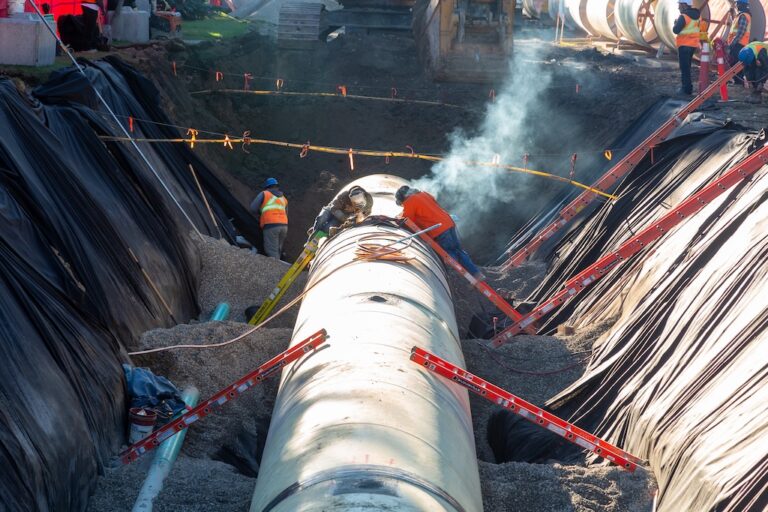
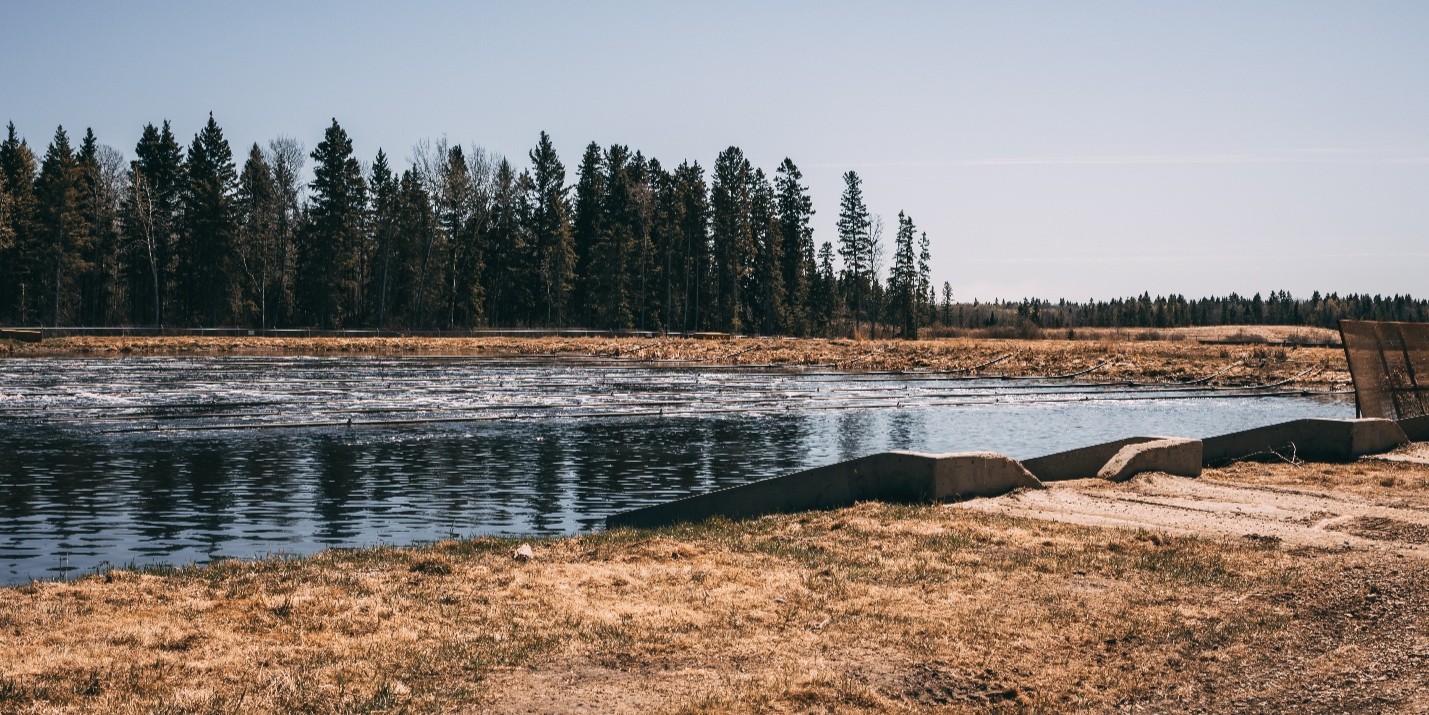
Construction on the $3.5 million upgrade soon followed. It added a new three-hectare aerated lagoon – a treatment pond where oxygen is introduced to help break down waste – and the existing lagoon was converted into a storage cell. Key infrastructure such as pipes, pumps, and access roads were also upgraded. By late 2021, the upgrade was fully operational, improving wastewater management, reducing the risk of leaks, limiting odours, and ensuring cleaner water enters the environment. The new wastewater system now serves Emma Lake, the Village of Christopher Lake, the Rural Municipality of Paddockwood, and Great Blue Heron Provincial Park. Its completion marked a turning point for Lakeland, where reliable service and environmental care move forward together.
Communities eligible for the Small Communities Fund were required to have populations under 100,000. This means projects like the Emma Lake upgrade are part of a targeted effort to ensure smaller municipalities aren’t left behind when it comes to critical infrastructure investment.
Built for performance and sustainability
The new lagoon uses a three-stage aeration process to treat wastewater before it flows several kilometres downstream into the Spruce River system. Even at peak times in summer, when wastewater is delivered by truck from seasonal properties and campsites, the facility continues to meet environmental standards and control odours.
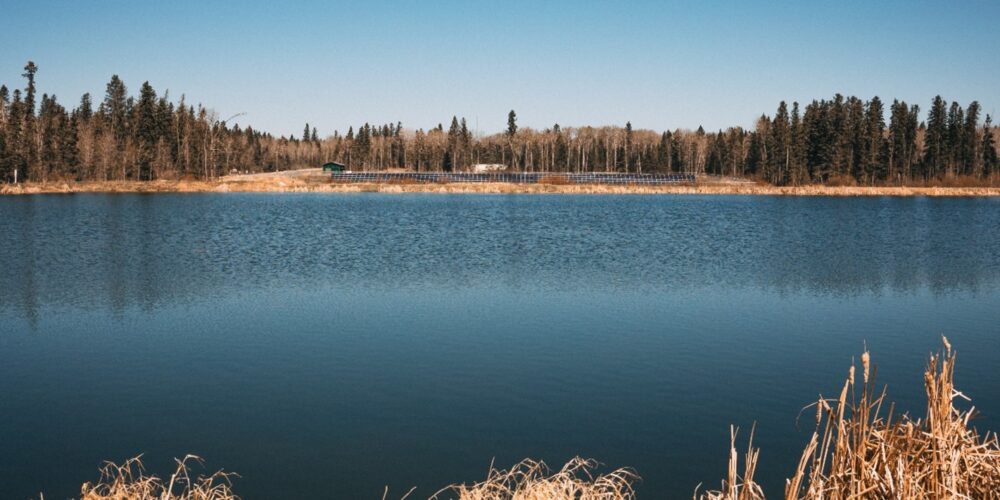
A secondary component of the project was the installation of solar panels beside the lagoon. This system provides clean electricity for the facility itself, generating between $10,000 and $12,000 worth of power each year and covering roughly half of its total needs. The addition signals a step toward a cleaner energy future, proving that even small communities can lead by example.
A lasting commitment to community wellbeing
Turning vision into reality required strong partnerships. Through the Small Communities Fund the Governments of Canada and Saskatchewan each contributed up to $1,189,575, with the District of Lakeland covering the remainder. Walter Plessl, Reeve for the District of Lakeland, underscored the importance of this support, noting that it gave the community the means to advance a long-needed project. With the system now complete, he said, residents and visitors can enjoy a higher quality of life in one of Saskatchewan’s most cherished lake regions.
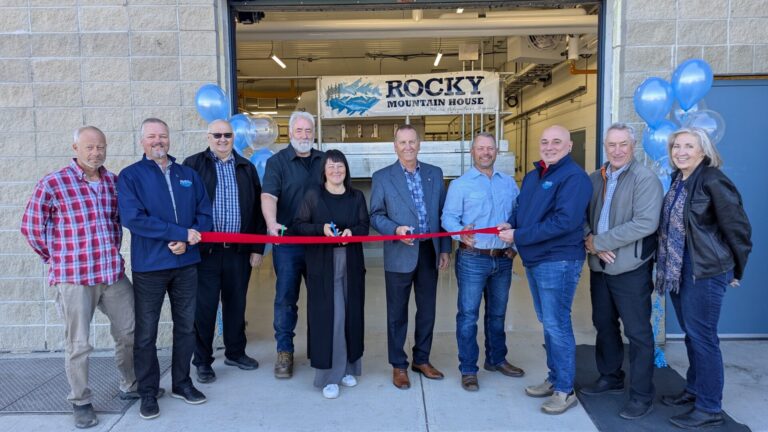
The opening ceremony on August 12, 2022 marked the completion of a project that brings stronger water protections and new capacity for growth in the region. The facility strengthens daily life for residents, supports tourism and recreation, and gives the community confidence in its long-term resilience. The project reflects a shared commitment to clean water, public health, and the stewardship of northern Saskatchewan’s natural landscape. With this upgrade, the District of Lakeland has secured infrastructure that will protect its waterways while supporting community wellbeing for years to come.
More than $53.9 million in joint federal-provincial funding was announced for 46 projects across Saskatchewan under the Small Communities Fund. Over $48.2 million of that funding is going specifically toward 41 drinking water and wastewater projects, with the rest allocated to roads and disaster mitigation.
In total, more than $80.9 million will be invested once local contributions are included, with recipients covering the remaining costs.
Featured image: (Bell Creek Photography)