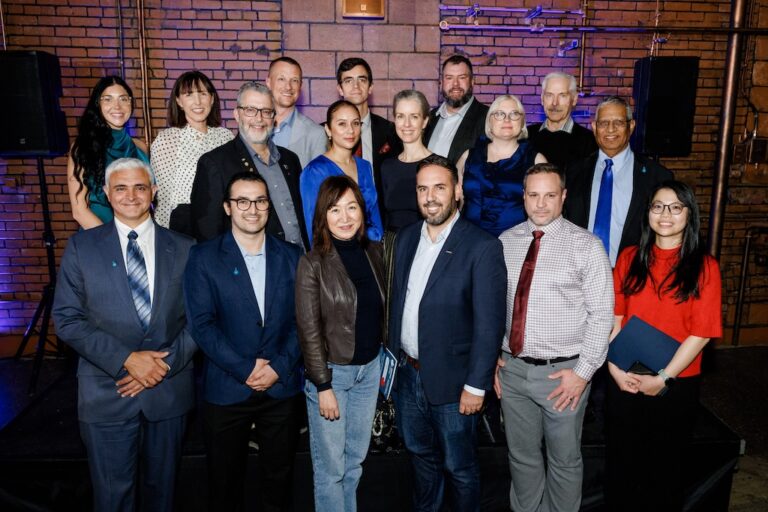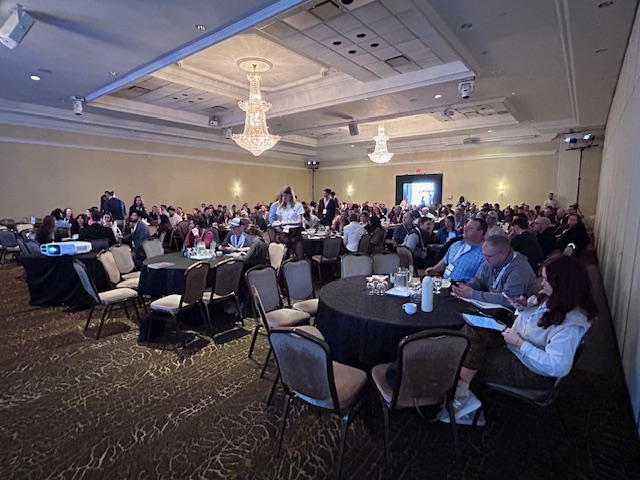
The scale of Canada’s stormwater and erosion challenges was put into sharp relief late last month as the annual Source to Stream conference took over the Pearson Convention Center in Brampton, Ont. Held from March 31 to April 1, 2026, the event saw a surge in attendance that left the venue literally “busting at the seams,” signaling a massive uptick in how municipalities and provinces are prioritizing watershed health.
With more than 900 professionals in attendance, the event’s record-breaking numbers have forced a conversation about the need for larger venues to accommodate the rapidly growing sector.
A Sector in Transition
The physical footprint of the conference reflected the industry’s expansion. The trade show floor hosted 50 exhibitor booths, while an additional 14 “overflow” booths had to be stationed in the lobby to accommodate the influx of new technology and service providers.
This congestion suggests that the market for advanced monitoring tools and nature-based engineering is growing faster than the infrastructure designed to host these professional exchanges.
Infrastructure Reimagined
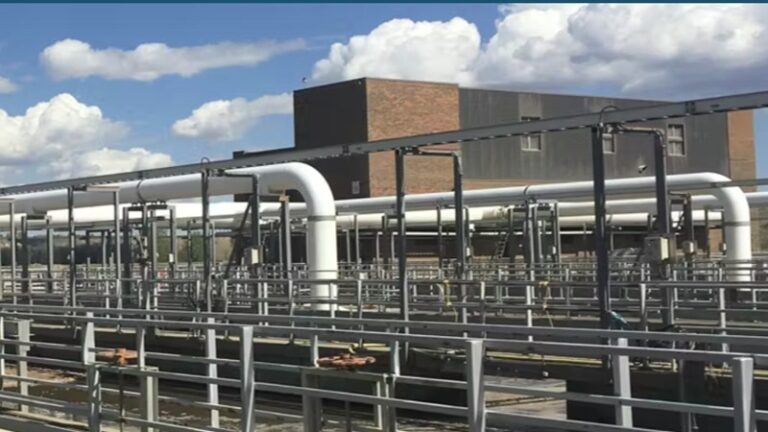
The technical sessions highlighted a pivot in Canadian engineering, moving away from “gray” infrastructure toward multi-functional, resilient landscapes. Two key discussions captured the current industry shift:
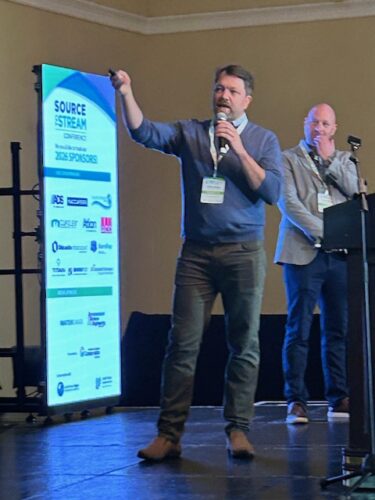
- Linear Landscapes: Isabel Castilla (Field Operations) presented on “Performative Landscapes,” arguing that transportation corridors must be redesigned as vital stormwater hubs—a necessity for land-strapped Canadian cities.
- Precision Restoration: David Bidelspach (5 Smooth Stones Restoration) focused on 3-D ecosystem design and risk reduction, emphasizing that restoration is no longer just about aesthetics, but about measurable, high-stakes corridor optimization.
Scaling for the Future
The growth of the event has created a logistical “good problem” for organizers. With attendance numbers consistently climbing, the current facilities are no longer sufficient to hold the scale of the dialogue required.
Organizers confirmed they are currently finalizing plans for 2027, with an official announcement regarding a larger venue expected in the coming weeks. This move to a high-capacity space is a practical response to a clear reality: as climate volatility increases, the number of professionals required to manage Canada’s water systems is reaching an all-time high.