Mainstream media loves to argue about interest rates, zoning bylaws, and lumber prices when discussing Canada’s housing crisis. But if you work in the water sector, you know the real bottleneck isn’t on paper. It is six feet underground. A rapid-fire trio of federal funding announcements this week made that crystal clear. Dropping millions into utility upgrades across British Columbia, Ontario, and New Brunswick, the feds essentially admitted what operators have been warning about for years: you can’t build a single new house until you expand the pipe capacity beneath it.
Individually, a new wellfield or a pump upgrade isn’t exactly front-page news. But together? They prove a massive shift in how the country is handling development. The federal government understands that housing policy is water policy, and they are writing the checks to prove it.
Three regions, three subsurface bottlenecks
Look closely at this week’s funding wave, and you will see the feds are tackling three distinct engineering headaches that keep utility managers up at night.
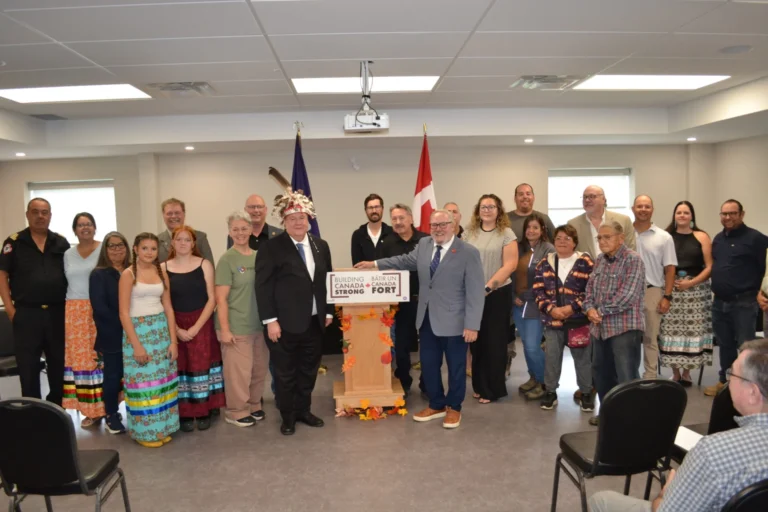
The first is the high-density rush. When you stack thousands of new residents next to a rapid transit line, you do not just create a bustling neighbourhood. You create a massive, localized surge in wastewater volume. You cannot support shiny new high-rises if the pipes underneath them are already choked. To fix this, up to $26 million from the Build Communities Strong Fund is hitting Surrey, B.C., to overhaul the Quibble Creek Sanitary Sewer Pump Station and expand heavy-bore sewer lines. It is a pure capacity play designed to prevent system surcharges before the developers even apply for building permits.
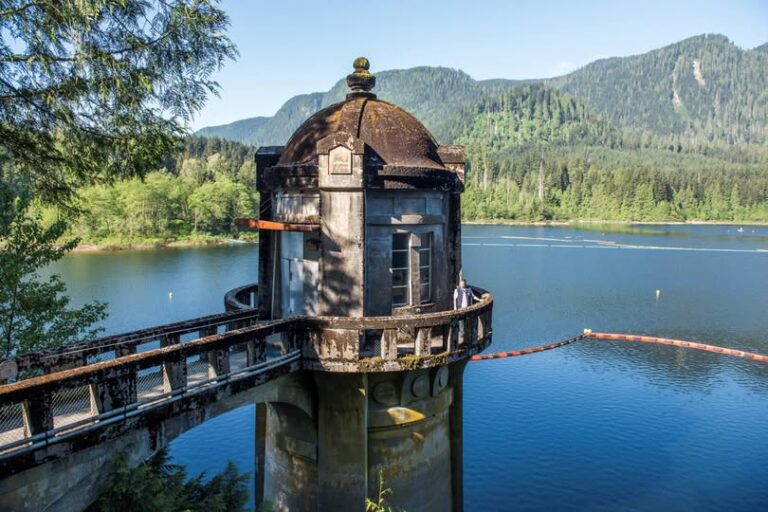
Then there is the issue of securing the source, which comes down to a simple math problem: more residents mean more open taps. If a municipality’s aquifer draw or storage margins are already running red, adding thousands of homes is an operational impossibility. In the Township of North Dundas, Ont., a fresh $8.5 million injection is building out the drinking water network in the rural communities of Winchester and Chesterville. By drilling two new groundwater wells and constructing a massive above-ground storage reservoir, the township is not just securing water for 1,650 future homes. They are protecting the existing local hospital and long-term care infrastructure from running dry.
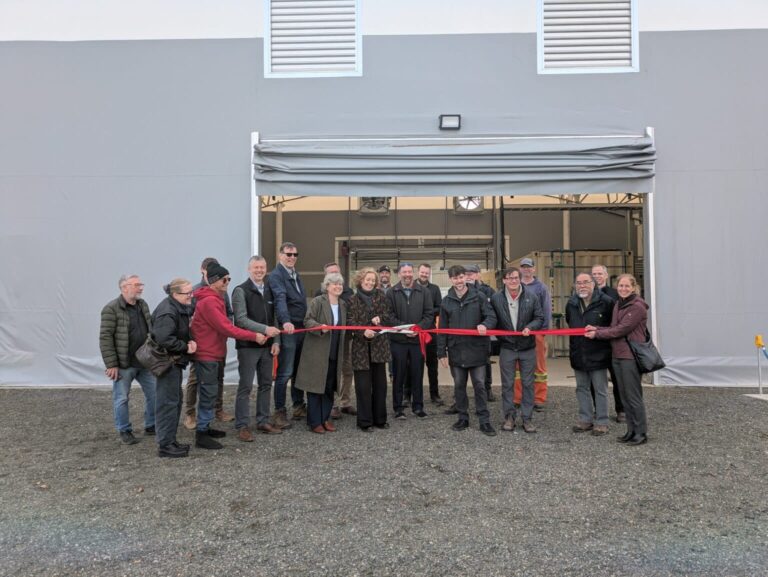
Finally, the feds are tackling small-town capital friction. For small, rural municipalities, the desire to grow is there, but the cost of running miles of new linear assets to undeveloped land is a quick way to bankrupt a small tax base. An $8.84 million joint fund through the Canada Housing Infrastructure Fund is scattering targeted water solutions across four small communities in New Brunswick to eliminate this barrier. In Harvey, it means a lagoon rehabilitation project to support 100 new homes. In Sussex, it is a brand-new wellfield and force main for long-term water security. In St. Stephen and Grand Lake, the funding provides critical extensions of storm and sanitary sewers to make raw land builder-ready.
The fight over the checkbook
For water professionals reading the fine print of these announcements, the most interesting detail isn’t the dollar amount. It is how the money is moving.
The New Brunswick projects rely on the traditional, highly politicized provincial-territorial tripartite agreements. This is the old way of doing business, where three levels of government argue over a single pot of cash until everyone signs on the dotted line.
But look at Ontario and British Columbia. Those millions came through the direct delivery stream of the newly launched Build Communities Strong Fund. The federal government is clearly losing patience with provincial middlemen. By sending money straight to municipal water engineering departments, the feds are turning local utilities into direct partners. The message is clear: if you have a shovel-ready project that physically unlocks housing density, the federal checkbook is bypassing the usual political traffic jams.
From invisible utility to strategic gatekeeper
For decades, water infrastructure has been the ultimate invisible utility. It is only recognized by the public when a water main breaks or a boil-water advisory hits the local news.
But as Canada scrambles to build millions of homes by the end of the decade, the narrative has changed. The water sector is no longer just a passive utility maintaining public health. It has officially become the strategic gatekeeper of the national housing strategy. If the water does not flow, the hammer does not swing.