Waterloo Region is shifting into high gear to fix a capacity crunch threatening its water network. Regional staff have rolled out an aggressive mix of infrastructure builds, well rehabilitations, and policy updates designed to secure the long-term sustainability of the area’s municipal supply.
The immediate focus is the Mannheim Service Area, the backbone network supplying Kitchener, Waterloo, and parts of Cambridge, Wilmot, and Woolwich. Local officials emphasize that the drinking water itself is perfectly safe and high quality. The issue is a hard limit on volume: the system simply cannot pump and distribute more water without putting unsustainable stress on local aquifers.
To break the logjam, the Region is pushing to bring up to 600 litres per second (L/s) of new capacity online by 2032. Fast-tracked scheduling means nearly half of that water could be in the system by 2027. It’s a critical timeline for local development; the boost ensures housing projects already underway for roughly 14,000 residents won’t stall, while giving developers a clearer picture of when future high-density growth can hook up to the grid.
New treatment and recycled assets
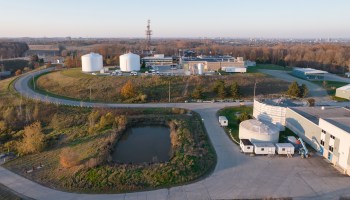
A big chunk of the near-term strategy relies on the upcoming Maple Grove Water Treatment Plant in Cambridge. Design work kicks off next month on the phased project, which will ultimately add 42 L/s to the local supply. The first well and treatment facility are slated to go live by 2030. A recent Environmental Assessment addendum gave the project the green light, reconfirming the technical and environmental safety of the site.
At the same time, regional planners are looking to the past to solve future supply issues. In east Kitchener, teams are working to bring several decommissioned municipal supply wells back from the dead. Field crews are currently assessing the old wells to see what kind of structural rehabilitation and upgrades are needed to safely capture an extra 100 L/s by 2032.
Protecting private wells
Ramping up municipal pumping means pulling more groundwater, which has raised concerns among rural property owners. In response to community feedback, the Region is retooling its Policy and Procedures for Responding to Groundwater Interference Complaints.
The updated policy aims to streamline how the municipality investigates and fixes issues if municipal pumping interferes with private residential wells. Staff are currently scanning industry best practices across Ontario to shape the new framework, which goes to Regional Council for approval this August.
Regional staff are working alongside local area municipalities, provincial regulators, and industry partners to keep the project on track. Stakeholders looking for technical updates or a closer look at the infrastructure roadmap can reach out to the project team directly at [email protected].