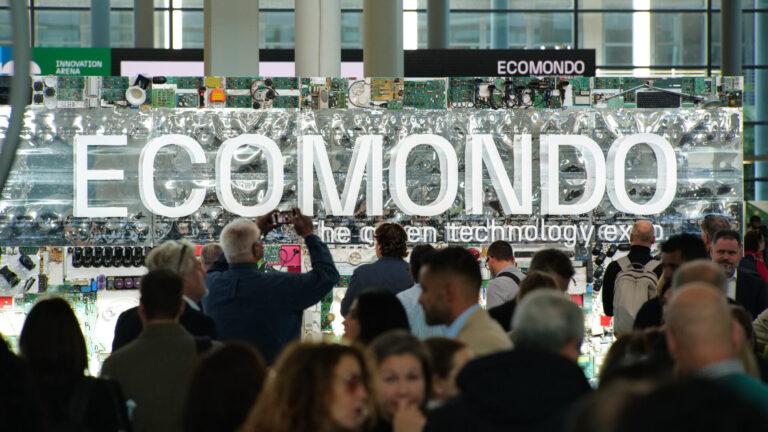
From 3 to 6 November at Rimini Expo Centre, Italy, Italian Exhibition Group’s international event on the ecological transition will dedicate an entire exhibition sector to Water Cycle & Blue Economy.
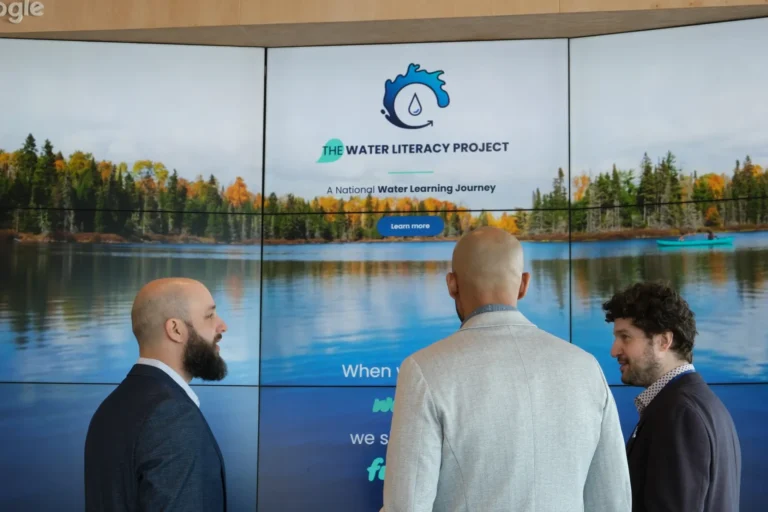
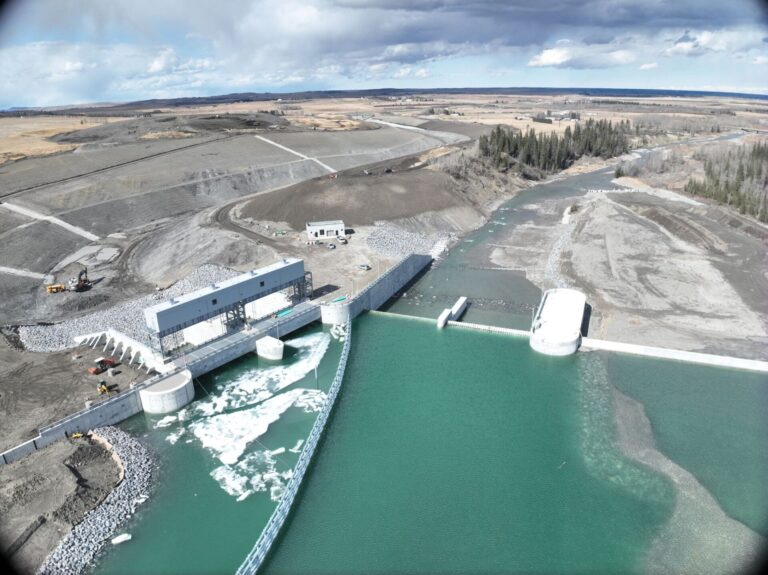
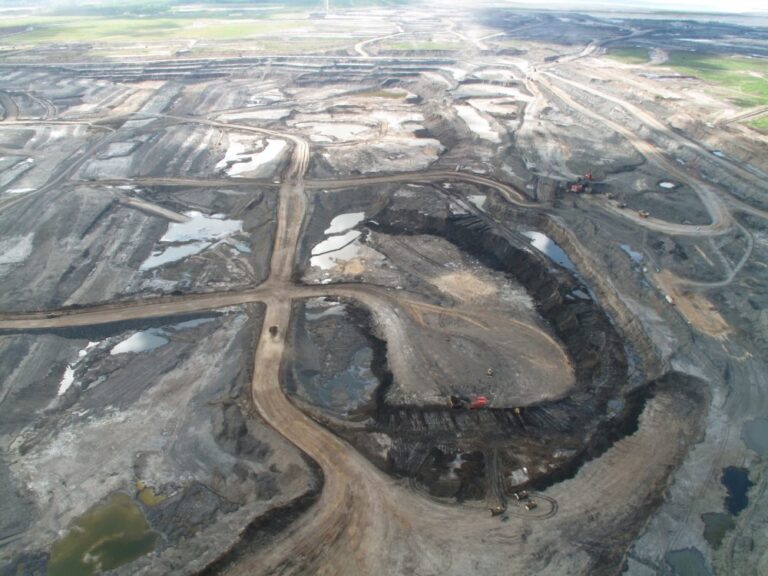
Canada is home to around 20% of the world’s freshwater reserves and is among the countries most committed to developing sustainable water resource management.
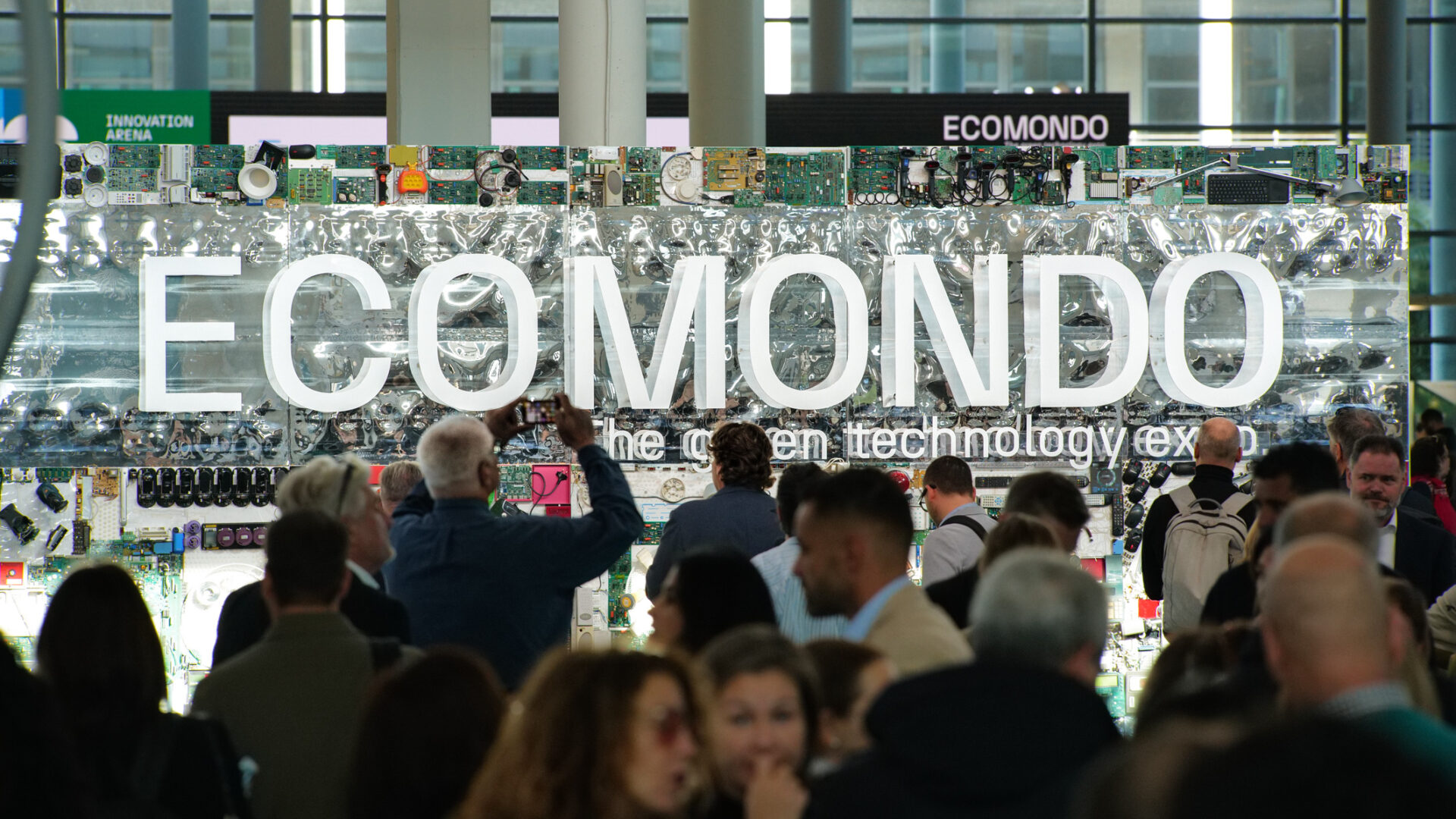
Water management and water circularity will therefore be among the key themes at the 29th edition of Ecomondo, the international event organised by Italian Exhibition Group (IEG), taking place from 3 to 6 November at Rimini Expo Centre, Italy, and dedicated to the ecological transition.
ECOMONDO: THE GLOBAL STAGE FOR CIRCULAR ECONOMY
With a strong focus on the sustainable management and use of water resources, the blue economy and the water cycle, Ecomondo has established itself as a leading ecosystem for businesses, institutions, research organisations and global policy makers active in the green, blue and circular economy.
The event goes beyond the traditional concept of a trade exhibition, positioning itself as a strategic hub designed to facilitate business meetings, encourage new collaborations and foster the development of new business opportunities, while also supporting the growth of innovative start-ups, scale-ups and SMEs.
AN EXHIBITION AREA DEDICATED TO WATER
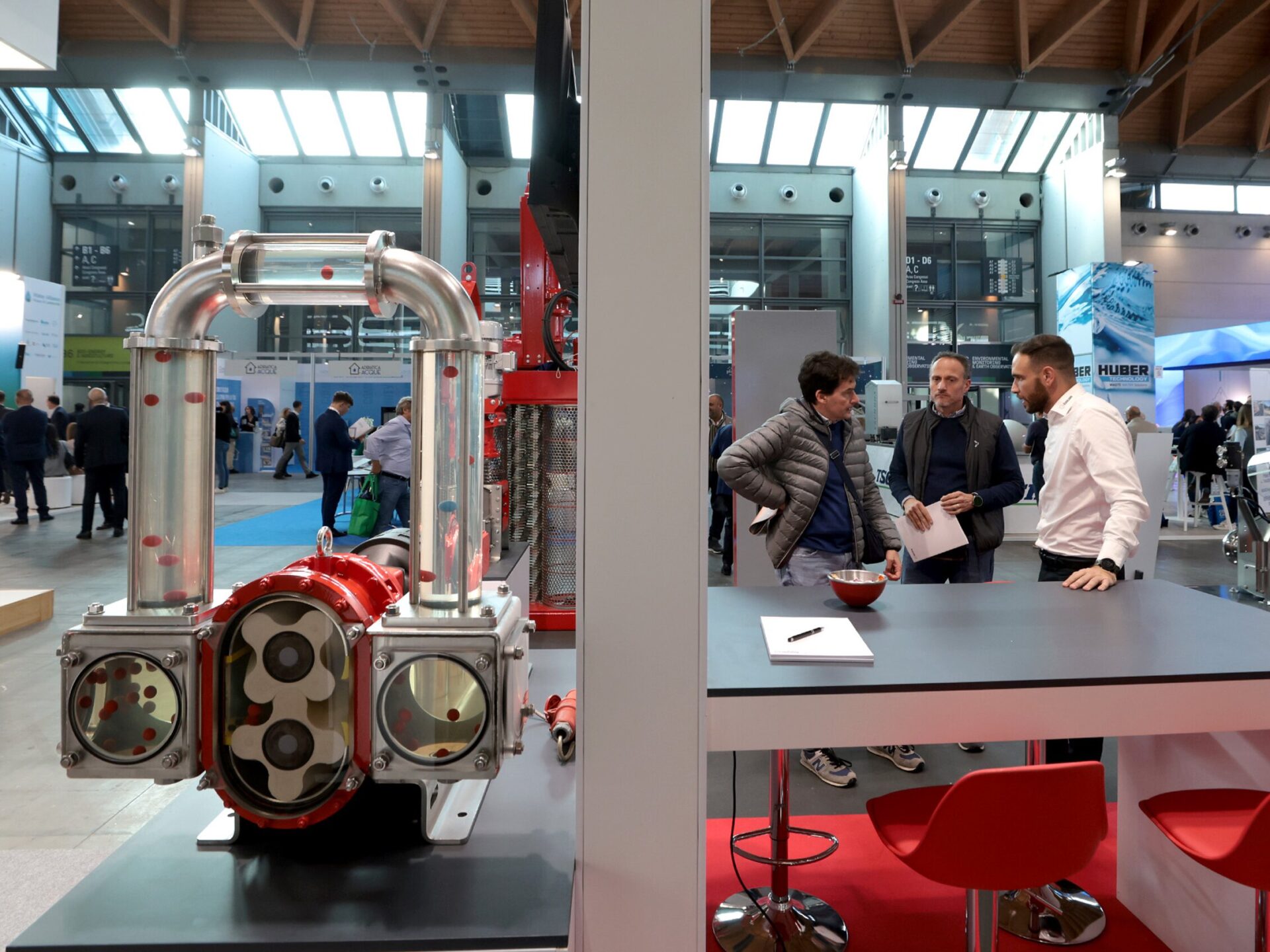
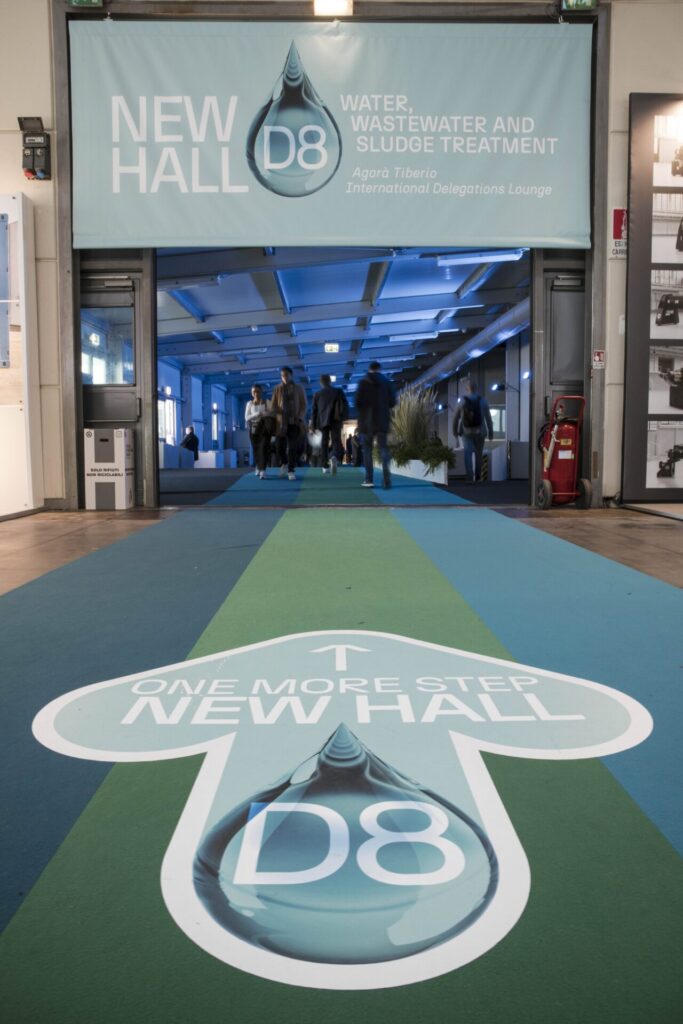
For the 2026 edition, Ecomondo is strengthening its Water Cycle & Blue Economy exhibition sector, located in the eastern wing of the exhibition centre. The area will also include the specialist Blue Economy District and the Trenchless District – the latter organised in collaboration with the Italian Association for Trenchless Technologies (IATT) – further expanding and enhancing the overall scope of the sector.
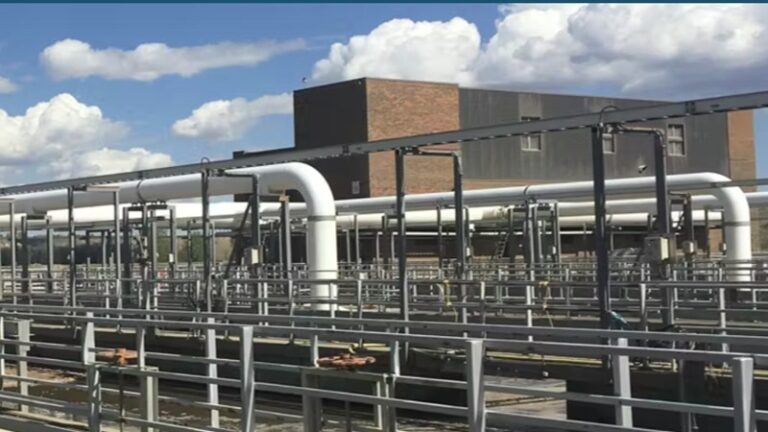
The Water Cycle & Blue Economy sector will showcase leading solutions for the sustainable management of the entire water cycle, from water abstraction and distribution to treatment, purification and wastewater reuse. It will feature technologies for smart network monitoring, digitalisation of water systems, energy efficiency in treatment plants, industrial water treatment, sewage sludge recovery and water supply and sewerage infrastructure.
The Blue Economy District will instead focus on the sustainable management of aquatic ecosystems, coastal areas and marine resources. Through advanced technologies and innovative management models, the district will demonstrate how economic growth can go hand in hand with biodiversity protection and the adoption of effective climate adaptation measures.
Finally, the Trenchless District will spotlight the world of No-Dig technologies, solutions that are playing an increasingly strategic role in the construction, maintenance and rehabilitation of underground infrastructure.
A RENEWED EXHIBITION LAYOUT
The exhibition will also confirm Ecomondo’s long-established sectors: Waste as Resource, dedicated to waste management and resource recovery; Sites & Soil Restoration for contaminated land remediation; Earth Observation and Environmental Monitoring for satellite monitoring; Bio-energy & Agriculture for the energy recovery of agricultural biomass; and Circular & Regenerative Bio-Economy, focused on advanced biotechnological processes.
Also returning are the Circular & Healthy City District, the Paper focus area, and the Innovation District, dedicated to start-ups and the development of new sustainable professional skills.
The main addition to the 2026 exhibition layout will be, for the first time, an entire pavilion dedicated to the Textile sector, designed to serve as an international hub for the entire supply chain at a crucial moment for the implementation of new European sustainability regulations affecting the industry.
AN INTERNATIONAL OUTLOOK
Ecomondo’s international expansion has seen the event presented in several strategic markets for the ecological transition through a multi-stop Roadshow, including Canada, with the aim of strengthening institutional and commercial dialogue and expanding its global network.
This international ecosystem already includes Ecomondo Mexico, recognised as a leading showcase for Italian environmental technologies serving the Latin American market, and Ecomondo China, which has evolved over time into a Forum held in Shanghai. These initiatives are complemented by the Green Med Expo & Symposium in Naples.
EUROPEAN REGULATORY DOSSIERS AT THE HEART OF THE INTERNATIONAL CONFERENCE PROGRAMME
Ecomondo’s scientific authority is reflected in its extensive programme of conferences, technical workshops and high-level summits, coordinated by the event’s International Scientific Technical Committee. Thanks to the involvement of the European Commission, European agencies and major international organisations such as the OECD and the FAO, the programme will feature an expanded schedule of events held in English.
A significant part of the programme will focus on the analysis of the most important European regulatory dossiers, providing participants with the tools needed to understand the impact and significance of measures such as the Circular Economy Act, the Bioeconomy Strategy, the Biotech Act II, the Pact for the Mediterranean, the RESourceEU Action Plan and the Critical Raw Materials Act. The programme will also examine developments related to Extended Producer Responsibility (EPR), exploring the new provisions governing the end-of-life management of consumer products across European markets.
During the first two days of Ecomondo, the States General of the Green Economy, organised by the Foundation for Sustainable Development in cooperation with the Italian Ministry of the Environment and Energy Security (MASE) and promoted by the National Council of the Green Economy, will once again take place, including a second plenary session entirely in English.
Other key topics on the agenda, within the framework of Ecomondo’s ongoing commitment to international cooperation and stronger partnerships with the Mediterranean region and Africa, will include healthy and circular cities, artificial intelligence and new digital technologies supporting the ecological transition, as well as the bioeconomy and bioenergy, two sectors that represent fundamental pillars of the transition towards low-emission, highly circular production systems.