The Government of Canada, in partnership with Lheidli T’enneh First Nation, announced that the general construction contract has been awarded to IDL Projects Inc. to build the Upper Fraser River Salmon Conservation Hatchery.
With a contract value of over $38 million, this investment is an important milestone in the effort to conserve and rebuild Fraser River Chinook salmon.
“The Upper Fraser River Conservation Hatchery is a nation-building project that supports salmon populations, sustainable economic growth, creates local jobs, and strengthens partnerships with Indigenous communities. We’re building it with Lheidli T’enneh, on their territory, and their knowledge will guide how it runs. Once completed, it means more salmon returning to the Fraser River, and good jobs in Prince George, while contributing to the long-term resilience of Pacific salmon,” said Joanne Thompson, Minister of Fisheries.

The hatchery will be owned and operated by Fisheries and Oceans Canada (DFO) and collaboratively managed with the Lheidli T’enneh First Nation, with support from Canfor. It will be built on the north bank of the Nechako River, near its confluence with the Fraser River, and in Lheidli T’enneh First Nation territory.
For Lheidli T’enneh, the hatchery project represents the opportunity to provide support for salmon stocks that have been in serious decline. With a focus on sustainability, the hatchery is envisioned to balance the appropriate level of intervention to both maintain salmon biodiversity and broader stewardship objectives through a Government to Government collaboration. Understanding the critical relationship between salmon and all Fraser River First Nations, Lheidli T’enneh recognizes the importance of this hatchery in salmon recovery and the interests of all user groups.
“As a Nation, fisheries are central to the work we do. We remain committed to maintaining biodiversity in our traditional territory while enhancing salmon populations throughout the region. With an eye towards our shared future, we are positioned to impart traditional knowledge and opportunities on Nation youth, while developing new skills and employment opportunities. From training and development opportunities to strong collaboration with the Department of Fisheries and Oceans, we look forward to working to advance the co-management of a Pacific salmon hatchery in Prince George, B.C,” said Chief Dolleen Logan, on behalf of Lheidli T’enneh First Nation.
The hatchery will have an initial capacity to raise 400,000 juvenile Chinook salmon annually, with the potential to expand Chinook capacity or support the enhancement of other species such as sockeye, resulting in thousands of additional adult salmon returns annually.
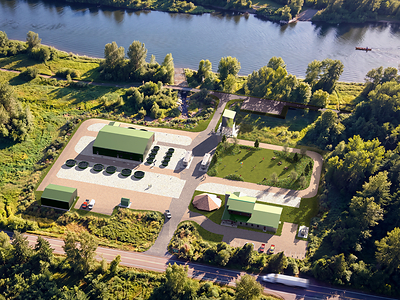
The Upper Fraser River Conservation Hatchery will include an administration building, egg incubation rooms and laboratory space, interior and exterior rearing tanks, and a workshop building. Operations will initially focus on rearing Fraser River Chinook salmon.
Hatcheries are a key tool for the management of salmon across British Columbia. DFO’s Salmonid Enhancement Program plays a critical role in conservation by helping to restore vulnerable Pacific salmon populations, supporting Indigenous food, social and ceremonial fisheries, contributing to commercial and recreational opportunities, and supporting Canada in meeting international stock assessment obligations. Hatchery management is guided by science and incorporates strategies to manage the risks of enhancement while realizing the benefits.
Featured image: Architectural rendering of the Upper Fraser River Conservation Hatchery. (Government of Canada)