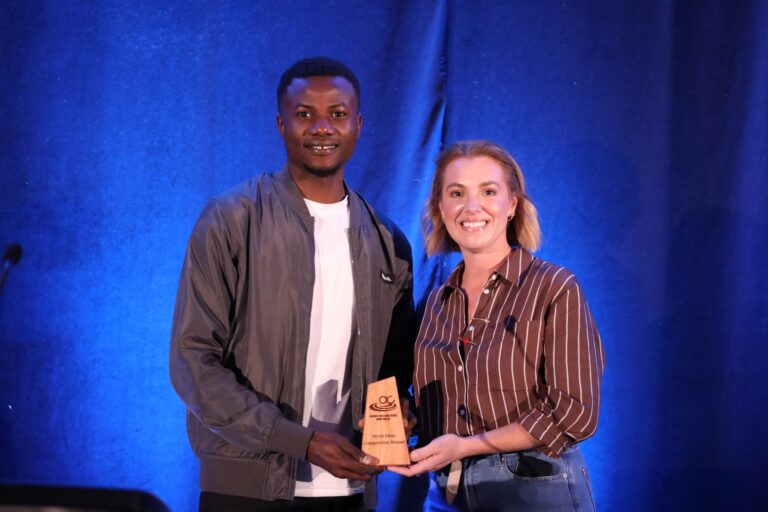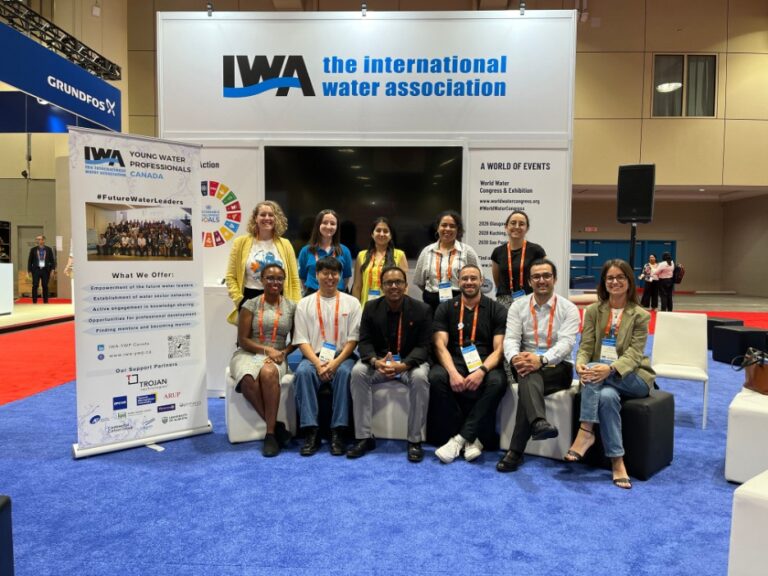
Ontario First Nations Technical Services Corporation (OFNTSC) leadership joined international water leaders in Glasgow for the inaugural Indigenous Water Forum.
Water is more than a chemical that provides hydration; it is more than the infrastructure systems designed to treat it. Water is life. Many have heard this phrase without pausing to reflect on what it truly means. For many First Nations communities in Ontario and across Turtle Island, water carries profound cultural, spiritual, and place-based significance. In many Indigenous worldviews, water is a living being, carrying its own spirit and deserving of respect, care, and protection. Water is not simply a resource to be managed; it is a relative with whom we share responsibilities. This understanding was at the forefront of discussions when members of the OFNTSC attended the International Water Association’s World Water Congress & Exhibition, held October 4–8, 2026.
Indigenous delegates and allies from around the world participated in the inaugural Indigenous Water Forum, which created a meaningful space for Indigenous Peoples to connect and share perspectives on the importance of recognizing and respecting water’s rights and place within the natural world. These conversations challenged participants to consider how Indigenous knowledge, relationships with water, and responsibilities to future generations can inform the decisions that shape the future of water globally.
OFNTSC’s participation in the event was guided by one central consideration: the potential benefits for First Nations communities in Ontario. In keeping with OFNTSC’s commitment to supporting First Nations technical self-determination, Melanie Debassige (Executive Director), Glen Goodman (Director of Infrastructure & Engineering Services), and Sydney Allison (Board Member) connected with organizations, researchers, and innovators exploring emerging water technologies and practices. Through these exchanges, OFNTSC’s goal was to bring relevant industry practices, technical knowledge, and emerging solutions back home to First Nations communities in Ontario.
For Melanie Debassige, the forum was a powerful reminder of why Indigenous perspectives must be central to decisions affecting water.
“Being part of the inaugural Indigenous Water Forum at the International Water Congress was a meaningful and inspiring experience as an Anishinabek Kwe (female Indigenous) leader. It was powerful to be in a space where global Indigenous people and our allies’ voices, knowledge, and lived experiences were welcomed and valued. It reminded me of the deep connection we have with ‘Nibi’ (water) and our responsibility to protect it for future generations. I left feeling grateful for the opportunity to listen, share, learn, and connect with others who are passionate about caring for our waters. It reinforced for me that Indigenous knowledge and leadership must be at the heart of the conversations and decisions that shape the future of water.”
Melanie’s message throughout the event spoke to a broader need to move beyond simply acknowledging Indigenous perspectives. Indigenous knowledge must be meaningfully incorporated into the planning, policies, infrastructure development, and long-term water management decisions that affect First Nations communities. First Nations peoples within Ontario hold knowledge that reflects hundreds of years of observation, experience, and relationships with the natural world. It offers ways of understanding water that recognize the connections between ecosystems, community well-being, cultural responsibilities, and the health of future generations. These perspectives must be respected alongside technical expertise when decisions about water are made.
OFNTSC Director of Infrastructure & Engineering Services, Glen Goodman, delivered a presentation titled “Beyond the Treatment Plant,” exploring what sustains safe drinking water in First Nations communities outside of the water treatment plant itself. Safe, reliable drinking water depends not only on physical infrastructure, but also on the systems, people, and institutions that sustain it. Skilled operators, First Nations authority and decision-making, dependable technical support, and the capacity to maintain and adapt infrastructure over time are all vital pieces of this puzzle. A water treatment plant is only one part of a much larger system; its presence alone does not guarantee the long-term delivery of safe drinking water.
This understanding also reflects an important connection between technical self-determination and the responsibilities communities have in caring for water. First Nations must have the authority, resources, and technical capacity to make decisions about their own systems and sustain them over time. Technical support is most effective when it strengthens First Nations autonomy rather than creating long-term dependence on external expertise.
Through its operator-in-training positions, millwright and electrician apprenticeships, circuit rider training, and HUB program, OFNTSC works to help address critical capacity gaps and support the people responsible for maintaining essential water and wastewater systems.
Ultimately, protecting water requires more than infrastructure alone. It calls for a commitment to caring for water as a living part of the world we share, respecting the knowledge carried by Indigenous peoples, and ensuring First Nations have the authority and capacity to make decisions that protect their communities and waters for generations to come.
“The International Water Association’s inaugural Indigenous Water Forum was an incredibly insightful and informative session. As a First Nations youth and university student, I was grateful for the opportunity to listen to and learn from water professionals around the world who focus on Indigenous water rights and governance. The forum deepened my understanding of the challenges Indigenous communities currently face globally, while also highlighting some shared themes, such as the importance of Indigenous peoples governing their waters and being recognized as rights-holders, but also need to embrace and put into practice the traditional knowledge Indigenous communities hold about water conservation and resource stewardship,” said Sydney Allison, Youth Director, OFNTSC.
Featured image: (Lina Taing)