Water Canada talks to Terry Rees about managing the spring infrastructure influx.
As the weather warms, an annual migration begins across Canada. Thousands of urbanites pack their cars and head to waterfront properties for the season. But what used to be a migration toward simple, three-season cabins has shifted dramatically. Today, rural municipalities and lake associations are dealing with larger, year-round and sometimes luxury builds and a permanent “exodus” of full-timers facilitated by remote work.
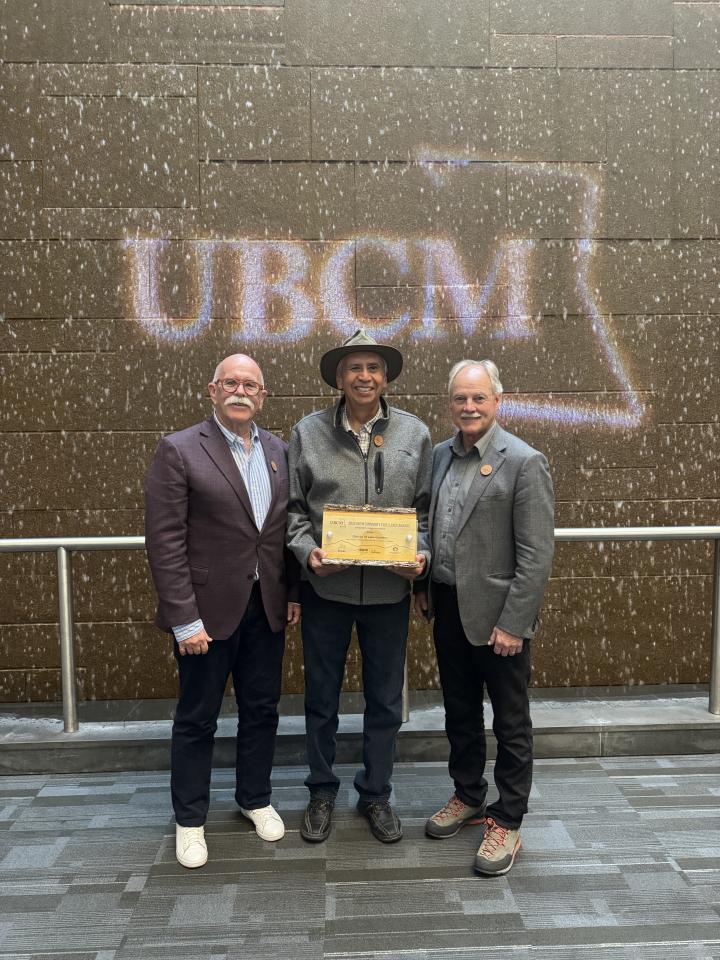
 Terry Rees in his happy place.
For small communities with limited budgets and small public works teams, this seasonal surge puts immense pressure on decentralized infrastructure. To understand how municipalities and property owners can better protect rural water quality, Water Canada sat down with Terry Rees, the recently retired, long-time Executive Director of the Federation of Ontario Cottagers’ Associations (FOCA). Over a 20-year career leading the country’s largest waterfront landowner organization, Rees became a definitive voice on rural environmental health and on-site wastewater management, bridging the vital gap between local lake groups and municipal public works.
Water Canada: We are seeing a major shift with more people converting seasonal cottages into full-time, year-round residences. From a water infrastructure perspective, why is this a challenge?
Terry Rees: We have a massive legacy of waterfront properties developed back in the 1950s and ‘60s when there was a big push to develop the hinterland. A lot of that infrastructure is now 70 or 80 years old. A septic system built in 1959 might have just consisted of a 45-gallon drum buried in the backyard. That wasn’t a catastrophic problem when a family of four used the place for 50 days a year.
Fast forward to today: you have full-time residents, large families, or a rotation of renters using that same property. That creates a massive, continuous load for on-site wastewater systems to manage. While septic systems are a perfectly good way to manage wastewater where there are no municipal pipes in the ground, they must be properly designed, constructed, and maintained to handle that modern volume.
Water Canada: Property owners often view their water systems as “out of sight, out of mind.” What are the most common mistakes new cottagers make when they open up for the season?
Terry Rees: When buying a place, everyone looks at the granite countertops and oak cabinets, but water and wastewater systems are particularly vital. The biggest mistake is simply not understanding how the system works or even where it is located.
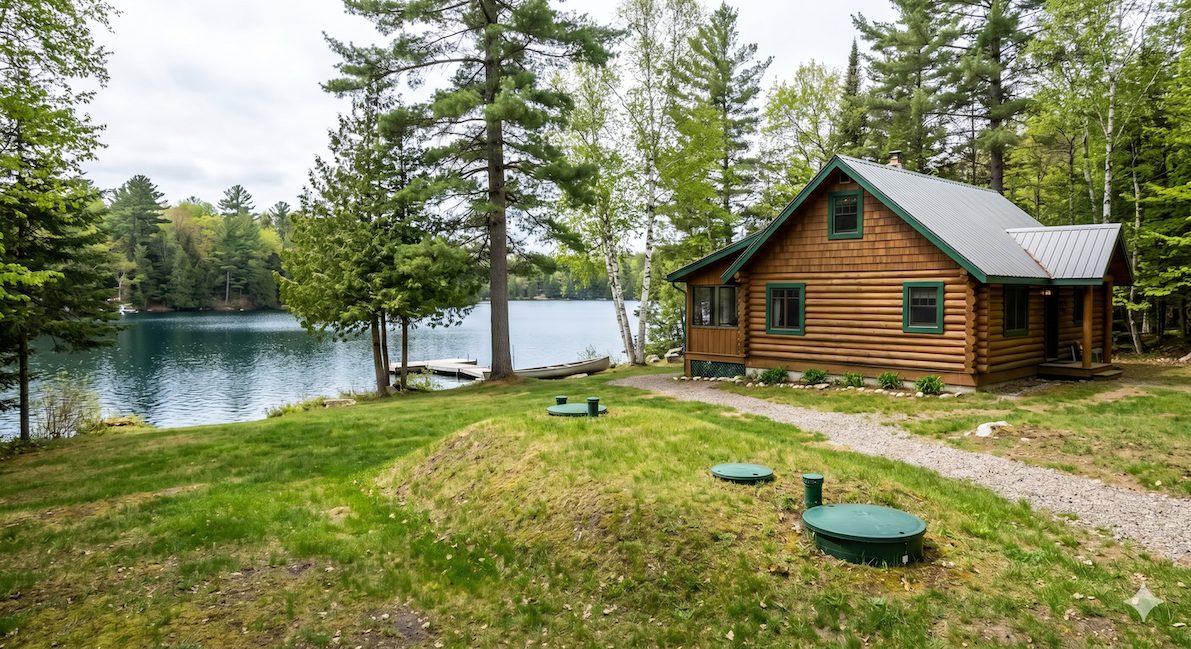
People don’t realize that a septic bed isn’t just a nice, flat area for badminton or parking a snowmobile; it’s a functioning biological treatment system. Parking vehicles on it compacts the soil and ruins the bed’s ability to treat the subsurface flow. Furthermore, city habits don’t work on a septic tank. Overusing water by doing all your laundry on one day pulses untreated waste straight out into the field because the tank continuously operates in full mode. Flushing wipes, tampons, or harsh chemical cleaners can compromise the system or can kill the beneficial bacteria doing the heavy lifting underground. If it didn’t come out of your body—minus standard toilet paper—it shouldn’t go down the system.
Water Canada: Early-season algal blooms are becoming a regular headline. How does cottage wastewater connect to the health of our lakes?
Terry Rees: Standard septic systems don’t really deal with phosphorus. Over time, that phosphorus migrates into the lake system. When you combine that nutrient load with climate change—warmer waters, shorter winters, and longer seasons—you get the perfect storm for blue-green algae blooms.
You can’t treat these blooms adequately once they happen, and exposure can have serious health impacts on families and pets, not to mention potential hits to local tourism and public health. Protecting our water quality is supported by keeping natural shoreline habitats intact. Root systems reduce erosion and siltation, cool the nearshore water, and take up nutrients before they ever reach the lake.
Water Canada: For rural public works directors, enforcing bylaws or mandating expensive upgrades can alienate the local tax base. How can municipalities move the needle on compliance?
Terry Rees: Proactive enforcement is incredibly difficult in rural areas because the staff resources just aren’t there to continuously check up on the landscape. Planners and building officials are already overwhelmed just trying to get permits through and ensure basic compliance.
You have to start with education and tap into local lake associations. Lake associations don’t have regulatory or authoritarian power, but they have a vital social connection. People take things to heart from their neighbours and friends much more than they do from distant experts. When a municipality actively partners with these groups, they can use that friendly, trusted local voice to build a collective culture of environmental responsibility.
Terry also provided the following information and resources for municipalities and cottagers:
The Technical Bottleneck of Septic Maintenance
While a homeowner can easily hire a local pump-out service to empty their septic tank solids, small municipalities face a massive logistical hurdle on the back end: what to do with the hauled septage?
- The Dispersal Dilemma: Historically, many small communities relied on land application—spreading raw septage on agricultural fields. However, because it is a low-efficacy, high-public-outrage activity, numerous provincial agencies have banned or restricted the practice near surface water.
- The Treatment Plant Strain: Provincial regulators have encouraged municipalities to accept hauled septage into their mechanical wastewater treatment plants. But from a chemistry perspective, septage is an incredibly high-strength waste. Dumping 20,000 liters of septage from a truck into a small-scale facility can completely throw off the biological balance and overwhelm the system’s technical limits.
For rural public works directors, managing this septage pipeline can require serious capital investment, unique offloading facilities, and strict operational coordination.
Toolbox: Spring Opening Resources for Property Owners
Municipalities looking to distribute educational materials to incoming seasonal residents this spring can direct property owners to these verified Canadian resources:
- Federation of Ontario Cottagers’ Associations (FOCA): Offers comprehensive guides on waterfront property ownership, well water safety, and localized environmental videos. Property owners can access dedicated spring checklists, drinking water safety sheets, and landowners’ guidance directly on the FOCA Cottage Country Welcome & Etiquette Hub.
- Ontario Onsite Wastewater Association (OOWA): Provides excellent technical guides, explanatory videos, and visual breakdowns of septic system components for homeowners. Residents and professionals can browse technical data, professional directories, and explicit instructional safety videos on the official OOWA Homeowner Resources Page.
- Watersheds Canada & Wildlife Habitat Canada: Great organizations focused on maintaining natural shoreline buffers, restoring native vegetation, and managing land cover to prevent erosion and nutrient runoff. On the main Watersheds Canada Platform, property owners will find extensive action plans, including shoreline re-naturalization tools via The Natural Edge program and customized lake health reviews through Love Your Lake.
- Septic Smart Guide: A highly practical, step-by-step homeowner’s guide detailing proper system usage, maintenance schedules, and basic system care. Individuals can read, download, or print this definitive, multi-page manual directly via the official Government of Ontario SepticSmart Guide PDF.