It turns out that life at the top of the aquatic social ladder isn’t all it’s cracked up to be. In the natural world, being the dominant, aggressive “alpha” fish usually comes with major perks—first dibs on food, prime real estate, and the respect of your peers. But in the modern, plastic-polluted world? It’s a fast track to a stomach full of microplastics. Call it ecological karma.
A new study led by the University of Glasgow, published today in Proceedings of the Royal Society B, reveals that a fish’s social status directly impacts its risk of ingesting microplastic pollution. And unfortunately for the big bosses of the underwater world, their bold, competitive traits are backfiring spectacularly.
The Double-Edged Sword of Dominance
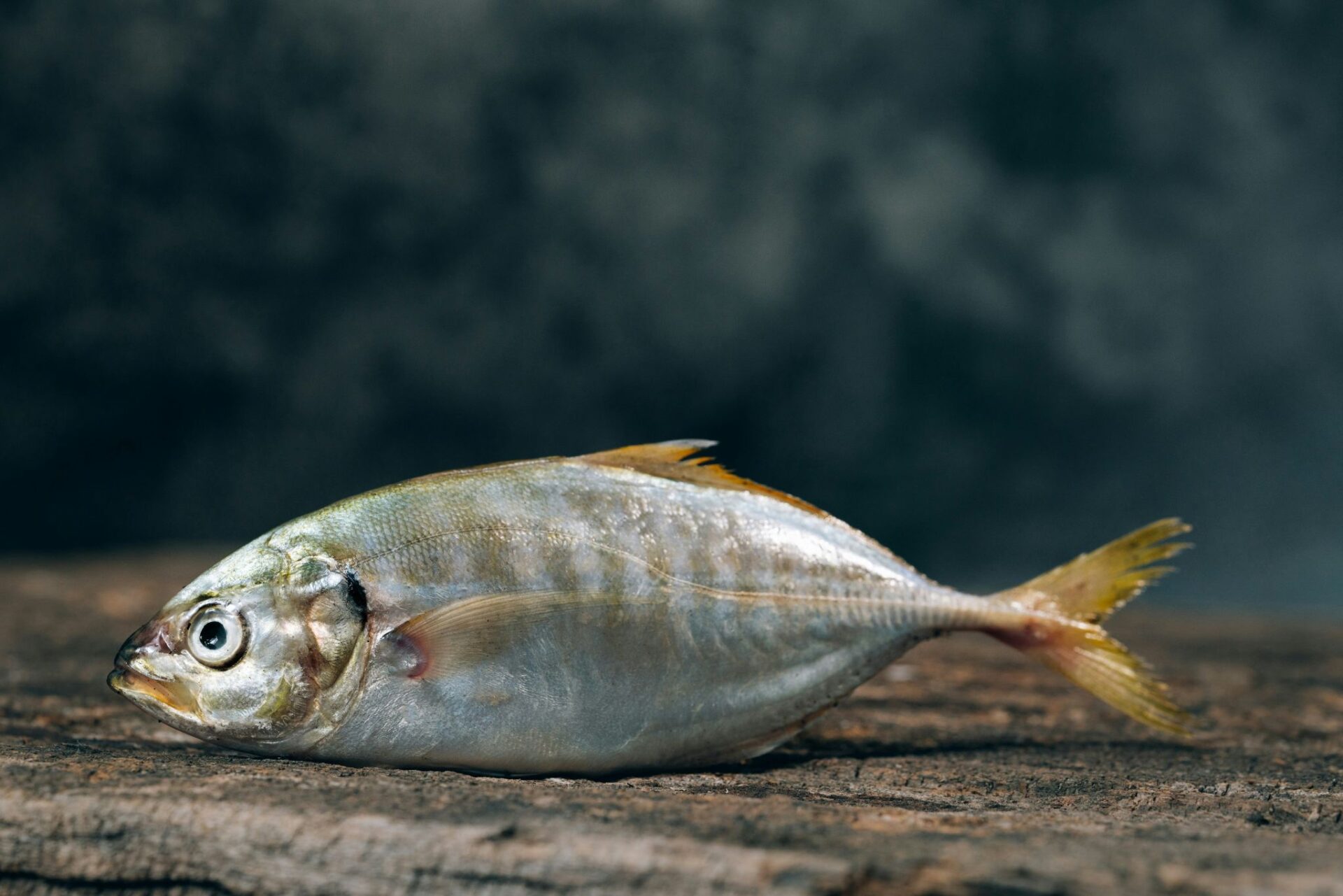
Researchers looked at European minnows (Phoxinus phoxinus), a social species known for establishing clear, hierarchical “pecking orders.” By monitoring the minnows across multiple feeding bouts, the team discovered that dominant fish were significantly more likely to swallow microplastics than their subordinate groupmates.
Why? Because the same aggressive, high-energy drive that helps an alpha fish beat its rivals to a snack also makes it less discerning. When you rush to gobble up everything in sight to prove you’re the boss, you don’t exactly take the time to chew and inspect the merchandise.
However, it wasn’t all bad news for the groups. The data showed that schools with very clear, established social hierarchies were actually better at collectively telling the difference between actual food and floating debris, leading to a reduction in microplastic ingestion overall. It seems a tight ship benefits the crew, even if the captain is busy eating trash.
Go With the Flow? Not for the Alphas
For water experts, the most intriguing wrinkle in the study involves the hydraulic environment. The research team threw water velocity into the mix, testing the fish in both still and flowing conditions—and the results show that hydrodynamics change the behavioral game entirely.
| Environmental Context | Impact on Subordinates / General Group | Impact on Dominant Fish |
| Still Water | Baseline ingestion rates based on social rank. | Higher ingestion due to aggressive feeding. |
| Flowing Water | Decreased microplastic ingestion. | Increased microplastic ingestion. |
For most fish, moving water was a saving grace, helping to reduce microplastic ingestion at both the individual and group levels. But for the dominant fish, flowing water had the exact opposite effect, causing a sharp increase in the proportion of microplastics they swallowed.
“Water flow should not be treated as a minor background condition in microplastic research,” noted Dr. Weiwenhui Liang, lead author of the study, pointing out that most laboratory microplastic research is unrealistically conducted in still water. “Our findings show that water movement can really change the picture. Because flow can interact with social behavior and feeding, some individuals face risks that would otherwise be missed.”
Meanwhile, in Canadian Waters…
While the Glasgow study highlights how social dominance drives plastic consumption, Canadian institutions are actively investigating how these behavioral and environmental variables play out closer to home.
- The Shape of the Snack (University of Toronto): In groundbreaking work out of the Rochman Lab, researcher Keenan Munno previously documented some of the highest concentrations of microplastics ever seen in wild bony fish—including a record-setting brown bullhead from Hamilton Harbour stuffed with 915 synthetic particles. Follow-up research from U of T using larval fathead minnows (a cousin to Glasgow’s European minnows) found that the unique shapes of wild microplastics cause significantly worse physical impairments than pristine lab plastics. For an aggressive alpha fish rushing its meal, failing to look closely at the shape of a particle carries heavy consequences.
- Moving Upstream (University of Alberta): Shifting the focus from simply counting plastics to understanding their physiological toll, a newly launched major project led by Dr. Daniel Barreda at the University of Alberta is examining how microplastics compromise the immune systems and food intake of Canadian salmonids (salmon, trout, and char). If dominant Canadian sportfish are aggressively targeting plastics, this research will soon mapping out the exact toxicological bill they will have to pay.
- Bigger Fish, Bigger Appetites (Western University): Looking at riverine environments, Western University researchers analyzing bottom-dwellers in Ontario’s Thames River confirmed that a fish’s body mass positively correlates with plastic ingestion, particularly tire wear particles from urban runoff.
When paired with the Glasgow data, a clear and unfortunate picture emerges for Canadian waterways: if you are a large, aggressive, dominant fish living in a high-flow, urbanized river system, you are facing a perfect storm of pollution exposure.
Rethinking Vulnerability in Ecotoxicology
For a long time, ecotoxicologists have evaluated pollution risks based on species-wide averages or environmental concentrations alone. This body of research throws a wrench in those models, proving that exposure is shaped just as much by internal social structures and micro-environments.
“Dominance can be a double-edged sword,” Dr. Liang explained. “The traits that help some fish win access to food may also make them more likely to consume pollution when plastic particles resemble their regular food. This means that microplastic risk is not shared equally within animal social groups.”
Professor Shaun Killen, senior author and Professor of Ecophysiology at the University of Glasgow, agreed, noting that behavioral and social factors have remained a blind spot in understanding plastic threats. “Our findings show that microplastic exposure is shaped not only by the environment, but also by social structure.”
So, while the strongest, boldest fish may continue to win the battles for territory, plastic pollution ensures they might just lose the war. Out in the wild, it seems staying low-key and letting the boss eat first is the ultimate survival strategy.
Produced by human editorial staff with minor AI assistance for data organization.