The governments of Canada and Manitoba and the Seal River Watershed Alliance have announced investment to protect the Seal River Watershed in northern Manitoba.
The government of Canada is investing $74.7 million over 11 years and $7.9 million in ongoing funding to advance the establishment of the Seal River Watershed Indigenous Protected and Conserved Area and national park reserve.
The Manitoba government also announced a $4-million endowment contribution to support long-term protection of the area.
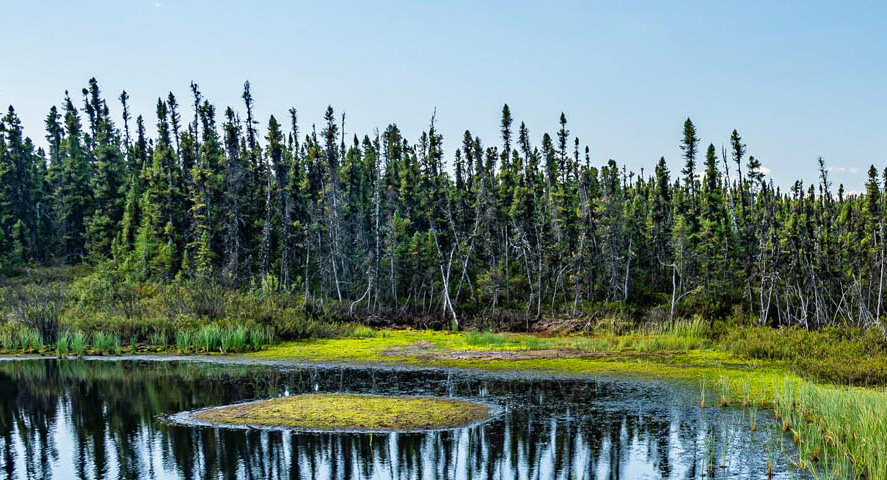
Spanning over 50,000 square kilometres, the Seal River Watershed is one of the largest intact watersheds in the world, a province of Manitoba release said, and contains pristine lakes, wetlands and boreal forest as well as over 30 species at risk, including barren-ground caribou, polar bears and wolverines.
The Seal River flows freely into Hudson Bay with no dams or industrial development and there are no active mineral claims, mining leases or significant petroleum discoveries, the release said.
“The Seal River initiative is an exciting opportunity for Indigenous governments, the federal government and us as the province. This proposal reflects strong partnership with the First Nations who have cared for these lands and waters for generations. By protecting the watershed, we are safeguarding clean water, protecting wildlife and creating new opportunities in tourism and conservation,” Manitoba premier Wab Kinew said.
The four First Nations of the Seal River Watershed Alliance- the Sayisi Dene, Northlands Denesuline, Barren Lands and O Pipon Na Piwin Cree have released a proposal to protect the area which advocates for combining different types of protected areas to achieve integrated conservation and stewardship.
The entire Seal River Watershed would be protected as an Indigenous Protected and Conserved Area (IPCA), the release said, and within the IPCA, two-thirds of the watershed would be protected through a new provincial park designation and the remaining approximately one-third of the watershed would be designated as a national park reserve.
“This proposal was created in the spirit of collaboration. Consensus decision making is a core part of Dene and Cree traditions, and the Seal River Watershed Alliance has worked hard to bring everyone to the table and build on our shared values. With our partners, we will ensure the future of the watershed reflects the interests of our communities, Manitobans and Canadians,” Northlands Denesuline First Nation Chief Simon Denechezhe said.