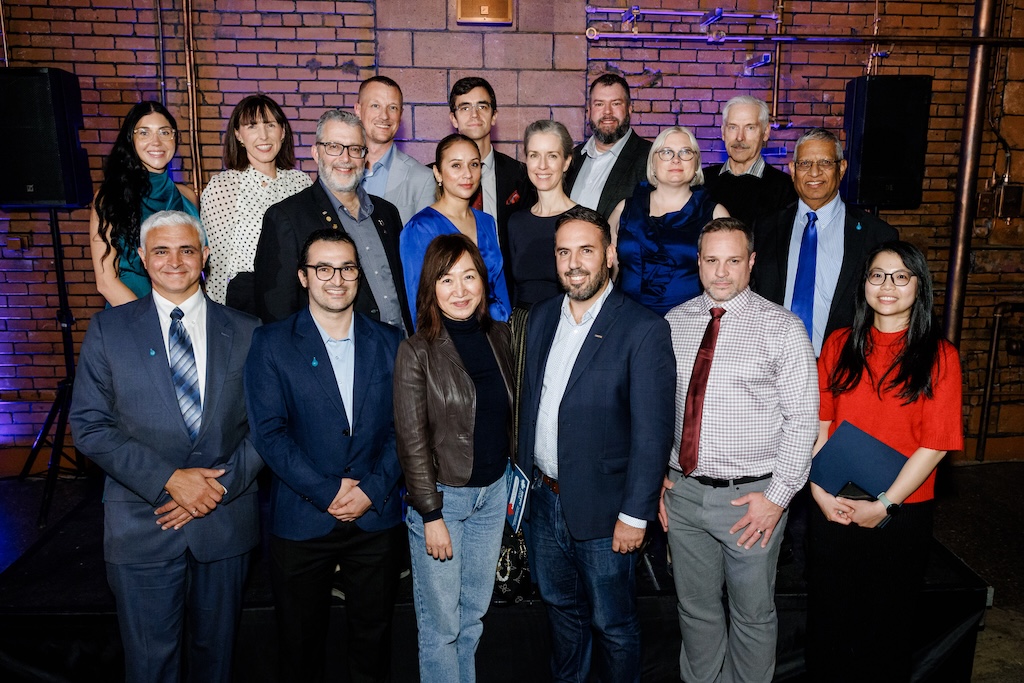
When you spend your days working around water, you quickly learn that progress rarely happens by just going with the flow. It takes grit, late-night problem-solving, and a deep reverence for a resource most people take for granted. On Thursday, October 22, the Canadian water community gathered in Toronto at Henderson Brewing Co. for the annual Water Canada Awards to pause, raise a glass, and celebrate the people and projects quietly transforming our industry.
“The night was a reminder of why so many of us fell in love with this industry in the first place,” says Corinne Lynds, Chief Content Officer at SiteMedia and host of the 2026 Water Canada Awards. “The sheer ingenuity, passion, and commitment demonstrated by this year’s finalists and winners is deeply inspiring. I’m so grateful to our sponsors and industry partners who make this celebration possible year after year.”
From young engineers tackling emerging contaminants to massive municipal overhauls executed without interrupting a single drop of clean water, here are the incredible winners who took home top honours this year:
People Categories
Emerging Leader Award
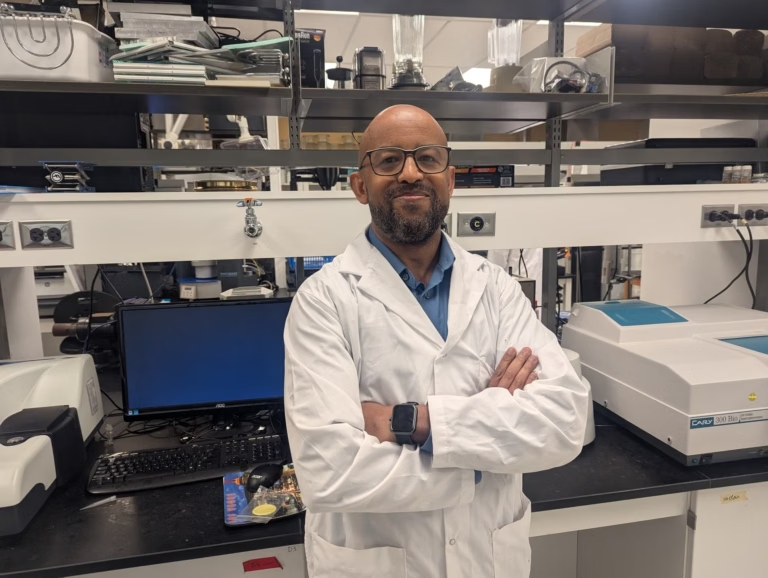
Winner: Hadi Mokarizadeh
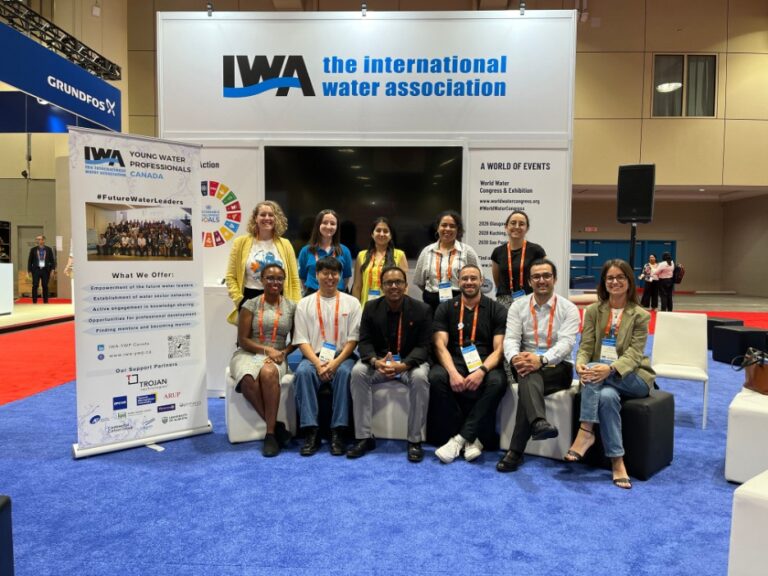
It takes a rare blend of academic brilliance and community spirit to make a mark this early in a career. Hadi, a Water and Wastewater EIT at Parsons with a PhD from the University of Alberta, isn’t just doing groundbreaking work on oil sands-impacted water; he’s actively building up the next generation as Chair of the IWA Young Water Professionals Canada Chapter.
Water Steward of the Year
Winner: Dr. Dave Atkinson
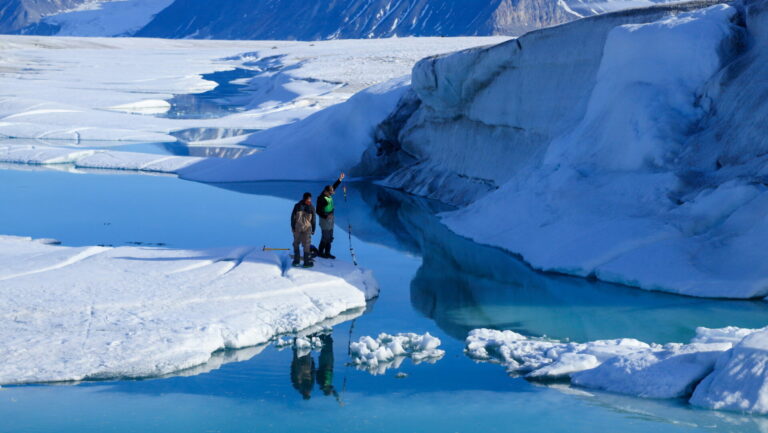
Dr. Dave Atkinson has spent over 25 years showing up for northern and Indigenous communities. Founder of the PolarSEAL lab at Toronto Metropolitan University, Dave works side-by-side with Inuit partners to co-create monitoring and stewardship programs that respect local knowledge and safeguard northern drinking water for generations to come.
Career Champion Award
Winner: William Fernandes, P.Eng.
With over four decades in the trenches, William Fernandes is a true pillar of Canadian municipal water. Currently serving as Deputy General Manager (Acting) of Toronto Water, he oversees systems feeding nearly three million people while keeping his door open to mentor rising professionals and champion diversity across our industry.
Project Categories
Municipal Early Adopter
Winner: Town of Sundre
Wastewater Treatment Project Small towns often bear the brunt of tight budgets and strict regulations, but Sundre refused to settle for incremental fixes. By taking a calculated leap on innovative treatment tech and working collaboratively with regulators, they built a cost-effective, practical model that small municipalities across Canada can now copy.
Municipal Community Outreach
Winner: Healthy Waters Plan (City of Vancouver & Tsleil-Waututh Nation)
Master plans can easily end up gathering dust on a shelf, but this team made Vancouver’s drainage planning accessible to everyone. Using visual Gestalt Maps and interactive workshops (and co-authoring the Restoring a Healthy Inlet Storymap with the Tsleil-Waututh Nation) they turned high-level engineering into a shared story of reconciliation and stewardship.
Innovation Partnership
Winner: Centre of Excellence at Vancouver Island University for EAP (Ecological Accounting Process)
If we don’t measure the financial value of our streams and natural corridors, we risk losing them. Developed with the Partnership for Water Sustainability in B.C., EAP gives local governments a practical, parcel-based method to treat natural watersheds as vital infrastructure right inside their municipal budgets.
New Tech
Winner: Grand River Live
Instead of relying on static flood maps or pure forecasting models, Grand River Live blends real-time gauge data with physics-based hydrologic modeling to update flood maps every single hour. It’s practical, transparent, and gives local leaders an actual live radar during high-water events.
Education
Winner: PEOPLE Network (Persistent, Emerging, and Organic Pollution in the Environment)
PFAS, microplastics, and chemical runoff are tough problems that demand joined-up thinking. Bringing together over 50 partner institutions through NSERC’s CREATE program, the PEOPLE Network has already trained more than 100 researchers and professionals to turn complex science into practical field solutions.
Policy
Winner: Metro Vancouver Drinking Water Management Plan Update
Balancing the needs of three million residents across 20 member jurisdictions and First Nations is a monumental task. Metro Vancouver pulled it off through a three-phase planning process that reached over 65,000 people, establishing clear, measurable targets for climate adaptation, conservation, and long-term water security.
Drinking Water
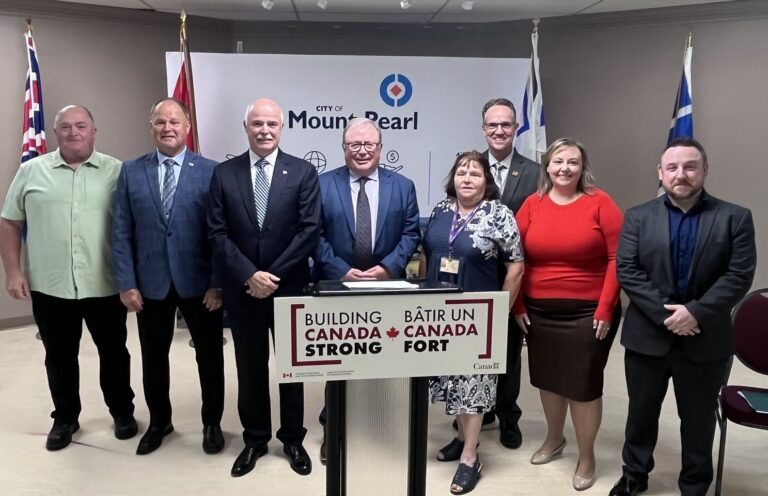
Winner: Buffalo Pound Water Treatment Plant Renewal
Upgrading a major plant while keeping clean water flowing to thousands of homes is like changing an engine while driving down the highway. As Canada’s first major water project using Progressive Design Build, Buffalo Pound brought builders in early to solve complex raw water issues without a single service outage.
Wastewater: Small Project
Winner: Constance Lake First Nation Pump Station and Lagoons Upgrade
This project went far beyond standard engineering. The team uncovered a long-lost, buried overflow manhole that had caused 15 years of flooding and health risks. They fixed the core infrastructure, installed a specialized cold-water treatment system, and turned unused lagoon cells into managed wetlands.
Wastewater: Large Project
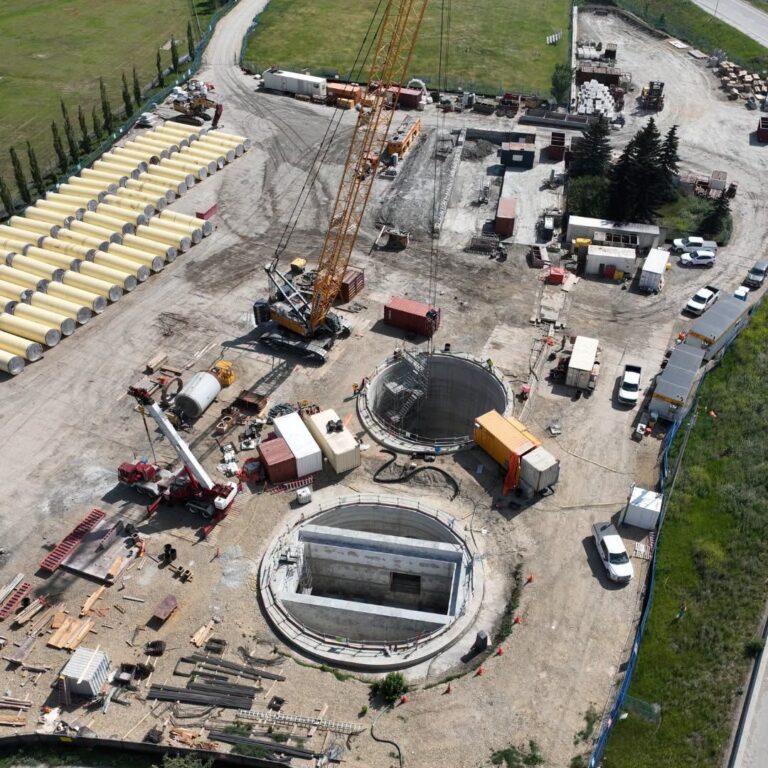
Winner: Drumquin Wastewater Pumping Station Program (Region of Halton & Hatch)
To unlock servicing for 15,000 new housing units without tearing up local neighborhoods, Halton Region and Hatch used one of the longest microtunnelling sewers in Canadian history. The gravity-fed design keeps long-term energy use low while protecting sensitive natural corridors.
Stormwater: Small Project
Winner: Shoemaker Creek
Concrete channels might move stormwater quickly, but they tear up natural ecosystems. Shoemaker Creek replaced 1.1 km of hard concrete with a naturalized stream corridor that slows down floodwaters, brings back native wildlife, and gives the neighborhood a beautiful green space to enjoy.
Stormwater: Large Project
Winner: City of Fredericton Floodline Mapping
Fredericton took the lead in the Maritimes by creating a comprehensive, city-wide flood profile that combines storm, sanitary, overland, and river models. Translating regional flood dynamic data into property-specific risk levels gives city planners the exact data they need for smarter, climate-resilient development.
Conservation
Winner: Lower Thames Valley Phosphorus Reduction
Protecting Lake Erie starts in the fields. Covering more than 108,000 acres, the Lower Thames Valley Conservation Authority works side-by-side with local farmers to roll out cover crops, soil retention practices, windbreaks, and wetland creation—proving that agricultural productivity and clean water go hand-in-hand.
To learn more about the 2026 Water Canada Award winners, visit: https://watersummit.ca/2026-winners/
Featured image: (Carousel Media)