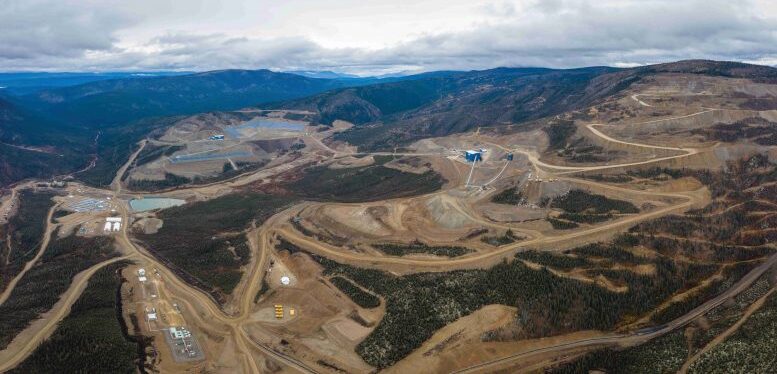
Eagle Gold Mine is preparing to discharge treated water from the site to help prepare for the influx of spring melt, which normally sees a large influx of water into the site.
PricewaterhouseCoopers Inc. was appointed receiver after a catastrophic failure at the site on June 24, 2024 when approximately 2 million tonnes of cyanide-soaked ore were released, and it managing site stabilization and environmental remediation at the site.
Storage ponds at the site have more than 315,000 cubic metres of storage remaining, which is enough to manage throughout spring melt, a Yukon government release said.
Ditches, culverts and pumping systems are in place to divert run-off so it does not mix with the water containing cyanide. Groundwater is also being collected using interception wells so it can be stored until it is treated. More than 670,000 cubic metres of ground water has been collected since April 2025.
The Government of Yukon’s agreement with the receiver has been extended to Sept. 30 to allow it to continue its efforts to protect the environment, remediate the site and advance the sales process, the release said.
The receiver’s loan limit remains unchanged at $220 million.
Regular water quality monitoring continues at the site and downstream. Since the start of the receivership, more than 2,350 groundwater samples and more than 6,000 surface water samples have been taken, the release added.