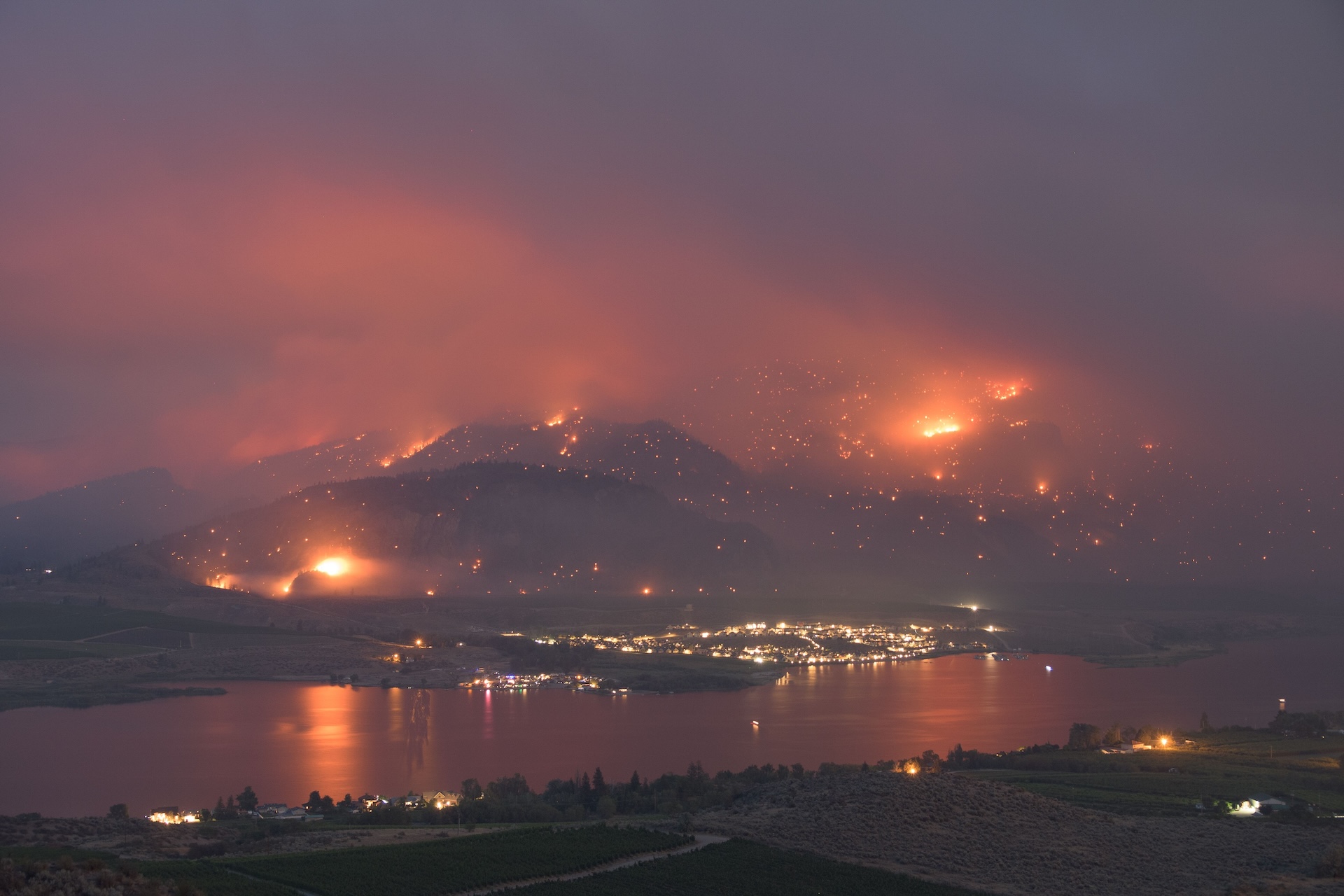
A University of British Columbia (UBC) led global review found that water-quality impacts can emerge months or years after wildfires.
Researchers analyzed 23 studies across 28 watersheds worldwide, a UBC release said, comparing pre- and post-fire levels of sediment, nutrients, metals, organic carbon, ions and wildfire-fighting chemicals.
Across climates, contamination often intensified over time, particularly when storms or snowmelt washed stored ash and debris into rivers. The review focused on studies tracking water quality for at least six months to determine whether impacts fade or grow.
Studies of Alberta wildfires showed long-lasting impacts and “The same delayed contamination pattern kept appearing,” study author and master’s student in civil engineering Raúl de León Rábago said.
Rivers showed elevated sediment, nitrogen, phosphorus and lead even where less than one-quarter of the watershed had burned after the 2016 Fort McMurray wildfire and The Regional Municipality of Wood Buffalo increased annual treatment chemical spending by roughly $500,000 to manage wildfire-related changes in raw water.
In Alberta’s southern Rockies following the 2003 Lost Creek wildfire phosphorus and nitrogen remained high for years, the release said. Floods in 2013 washed stored ash and soil back into rivers, causing phosphorus levels to jump to seven to nine times higher, with some increases persisting more than 14 years downstream.
“Imagine emptying a bucket of ash into a bathtub,” UBC assistant professor in the faculty of forestry and environmental stewardship Dr. Qingshi Tu said. “When the water is stirred, the ash resurfaces. That’s what can happen in watersheds after large fires.”
Across the reviewed studies wildfire activity increased sediment, nutrients, heavy metals and polycyclic aromatic hydrocarbons – chemicals formed when vegetation and other materials burn, the release said, and smoke can also carry contaminants into unburned watersheds.
Researchers noted that water utilities’ ability to respond depends on fire intensity, duration, size, what burned, weather conditions and treatment system design.
“Not all systems have equal capacity to adapt, and smaller communities with limited budgets face greater risk from prolonged post-fire impacts,” the release said.
The release said the research team is developing a model inking wildfire behaviour, smoke and river systems to help Canadian utilities anticipate multiyear risks, adding fire-prone provinces such as B.C. and Alberta need coordinated long-term water monitoring and preparedness planning, especially when fires burn near drinking water sources.
“Canada is entering a new era of wildfire risk,” senior author and UBC civil engineering professor Dr. Loretta Li said. “If we want to protect drinking water, we have to treat wildfire impacts as long-term, not short-term.”
The study is available here.