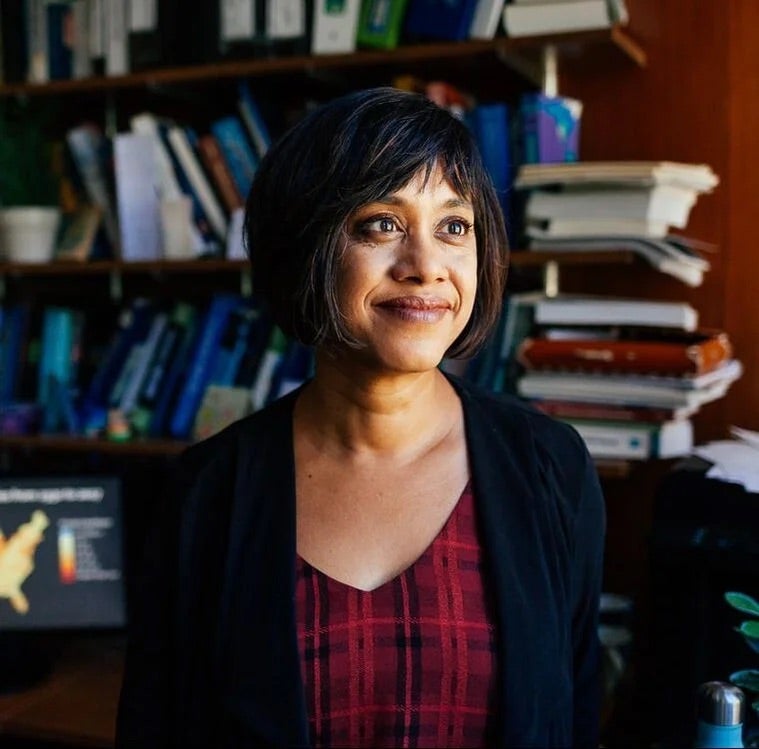
The Water Institute at the University of Waterloo announced the appointment of Professor Nandita Basu as its new Director. Her three-year term begins November 1, 2026.
Professor Basu brings a strong record of research excellence, international collaboration and interdisciplinary engagement to the role. A Tier 1 Canada Research Chair in Global Water Sustainability and Ecohydrology, a Fellow of the American Geophysical Union and former Editor-in-Chief of the Journal of Hydrology, she is internationally recognized for her research on nutrient pollution, wetlands and broader water sustainability. Her work combines environmental science, engineering and AI to understand the causes of water-quality problems and develop scalable nature-based and technological solutions that inform policy and practice.
Basu holds joint appointments in the Department of Civil and Environmental Engineering in the Faculty of Engineering and the Department of Earth and Environmental Sciences in the Faculty of Science, reflecting her interdisciplinary approach to water research.
As Director, Basu will build on the Institute’s established strengths, with a focus on making Waterloo’s collective water expertise more visible and creating stronger connections with external partners.
Since its establishment in 2009, the Water Institute has connected researchers from all six University faculties, creating opportunities for collaboration across disciplines. This interdisciplinary foundation has shaped the Institute’s research and training activities and provides a strong starting point for its next chapter under Basu’s leadership.
Basu sees an opportunity to preserve the Institute’s platform and interdisciplinary identity while building stronger connections among researchers and with external partners to develop solutions to pressing water challenges.
“Waterloo has extraordinary researchers doing remarkable work across a wide range of water challenges. We already have the individual strengths — the pearls. What excites me is the possibility of stringing those pearls together to create something much bigger than any one research group could accomplish,” says Basu.
Her vision is for the Water Institute to help identify these connections and build on them, creating areas of collective strength that raise Waterloo’s international profile and open doors to larger research partnerships and funding opportunities.
In the first year of her term, Basu plans to lay the groundwork for stronger connections across Waterloo and larger collaborative initiatives.
A key priority is to create a living map of Waterloo’s water research capabilities. By bringing together information on existing research, projects and partnerships, the Institute can identify areas where individual efforts could be connected into larger initiatives.
Basu also envisions an AI-enabled platform that would allow external partners to bring their water questions directly to the Institute and connect with relevant expertise. The approach would build on the Institute’s mapping work, with opportunities to expand its capabilities over time.
Education and training will continue to be an important focus. Building on the success of the Collaborative Water Program, Basu hopes to create stronger pathways from high-school outreach through undergraduate and graduate education to professional development.
Underpinning these initiatives is the need to strengthen the Institute’s long-term financial resilience. Basu hopes to diversify funding by building on research grants and sponsored partnerships, while exploring new opportunities through philanthropy and professional training.
For Basu, the next chapter is about building on the Water Institute’s strong interdisciplinary foundation while creating new opportunities for Waterloo to address major water challenges.
“My hope is that three years from now, the Water Institute will be recognized not just for the strength of its individual researchers, but for what we can accomplish together,” says Basu.
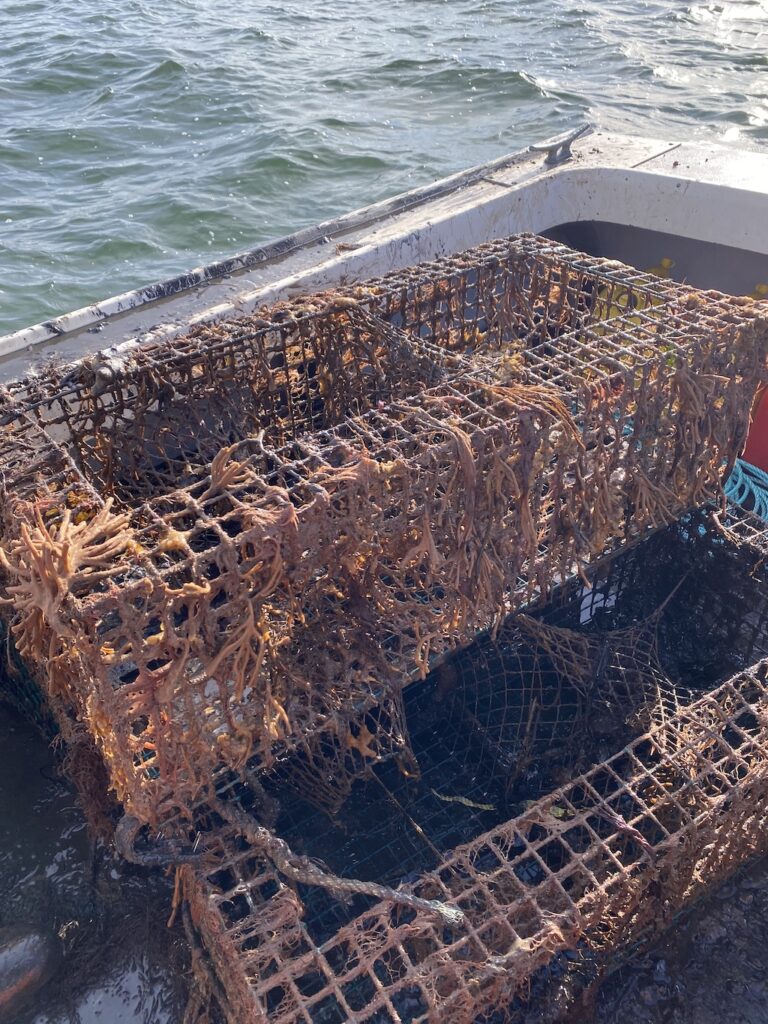
Featured image: (The Water Institute at the University of Waterloo)