The City of Calgary has released an independent review of the causes of the 2024 feeder main break which found significant gaps in Calgary’s water treatment and distribution system over the last two decades.
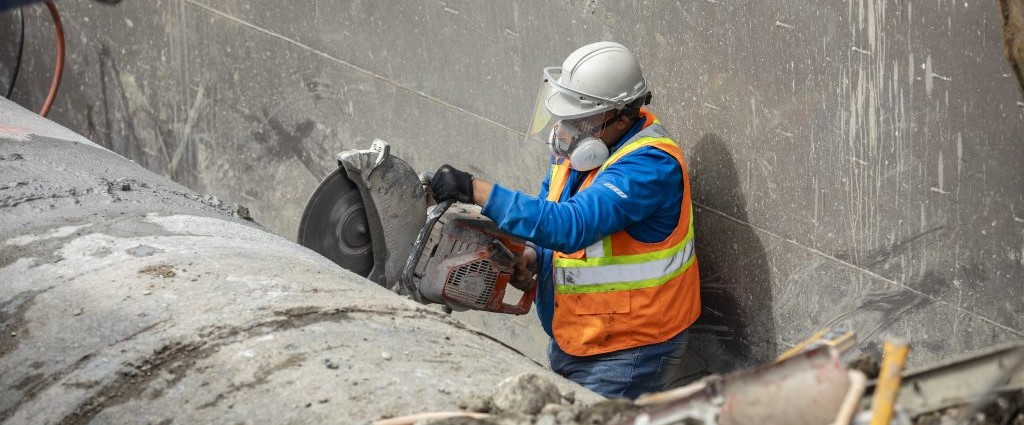
The failure of the Bearspaw South Feeder Main (BPSFM) led to water restrictions over almost four months, the report said, but “The risk of a failure in the Prestressed Concrete Cylinder Pipe (PCCP) portion of the BPSFM was first identified two decades earlier, following a similar rupture on the same type of pipe at the McKnight Feedermain in 2004.”
The report highlighted deficiencies in municipal management and governance, inadequate risk and asset integrity processes and external pressures leading to underinvestment in aging infrastructure while the city’s population grew.
Process gaps occurred over two decades, the report stated, “within an environment of unclear accountability and a culture of risk tolerance and decision deferral.” It added problems still persist due to the water utility being split between multiple City of Calgary departments with no single leader accountable for end-to-end outcomes.
Processes were not up to the task of complex process management required for a system of the scope of the BPSFM, the report said, adding the feeder main carried up to 60 per cent of the city’s potable water and “was repeatedly recognized as a high consequence risk but deprioritized due to its perceived low likelihood of failure, which caused resources to be directed to other priorities.”
The report stated gaps in governance occurred across multiple management teams, City Councils and organizational structures “in part because Council lacked the visibility and expert support to provide effective oversight. Reporting to Council was periodic and high-level, providing limited transparency into operational and risk performance.”
The independent review panel recommended three key actions: embedding comprehensive risk and asset integrity processes across the water utility, creating a dedicated water utility department, and establishing independent expert oversight through a water utility oversight board.
“Together, these reforms will address the gaps that exist today and ensure the safe and reliable water supply for the City of Calgary and area,” the report stated.
While the Dec 30 BPSFM failure is currently under investigation by the City of Calgary, was not part of the panel’s review and the report was written previous to the incident, the panel stated the recommendations in the report remain relevant.
The full report can be downloaded on the City of Calgary website.