Health Canada has launched a new public dashboard that tracks drug use through wastewater sampling, a tool officials say will strengthen early-warning systems and support responses to Canada’s ongoing overdose crisis.
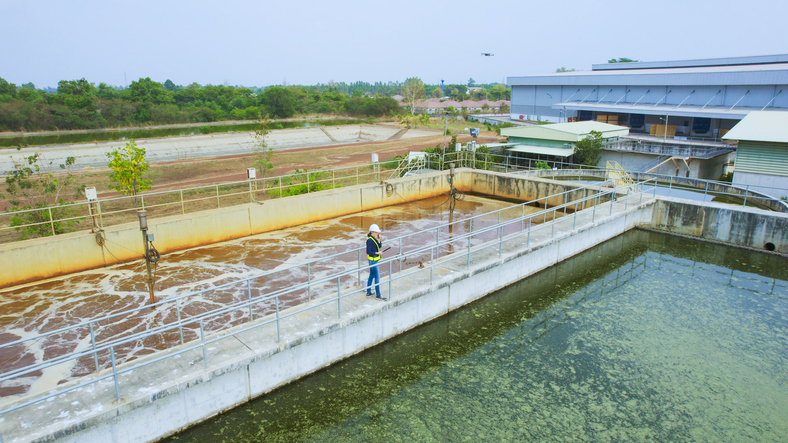
Health Minister Marjorie Michel announced the release of the National Wastewater Drug Surveillance (NWDS) dashboard on Thursday. The platform compiles data from wastewater samples collected in participating communities across the country, providing information on both legal and illegal substances detected in municipal systems.
The surveillance program analyzes drugs that enter wastewater through consumption, illegal dumping or manufacturing. Federal officials say the expanded access to provincial and territorial data will help public health agencies, governments, law enforcement, researchers and others make faster, evidence-based decisions.
The NWDS program began in 2023 under the Canadian Drugs and Substances Strategy and now also supports Canada’s Border Plan by monitoring precursor chemicals used in drug production. The dashboard launches with data collected between January 2023 and July 2025 and will be updated every quarter.
“Data is one of our key tools as we continue to face the illegal drug and overdose crisis in Canada,” Michel said in a statement. She called the dashboard “a milestone in transparency and accessibility of data” that will help reduce harms from toxic synthetic drugs.
Public Safety Minister Gary Anandasangaree said the data strengthens early-warning capabilities and supports efforts to combat the illegal drug trade. “It further enhances our efforts under Canada’s Border Plan to fight fentanyl and precursor chemicals and keep communities safe,” he said.
Kevin Brosseau, Canada’s fentanyl czar, said a data-driven approach is central to the national response. “We are investing in tools like the National Wastewater Drug Surveillance dashboard to ensure that public health providers and law enforcement have the tools they need… to help save lives and stop the spread of deadly illegal drugs,” he said.
According to Health Canada, the dashboard includes information on more than 500 substances, ranging from opioids and stimulants to hallucinogens and synthetic cannabinoids. Screening generally excludes pharmaceuticals, though some—including xylazine, fentanyl and morphine—are captured.
At launch, analysis of 211 wastewater samples identified more than 5,000 drugs, including 20 different fentanyl analogues.
The federal government says the tool supports broader efforts to detect and disrupt the illegal drug trade, reduce substance-use harms and improve community safety.
More information about the NWDS and related federal monitoring programs is available through Health Canada.