The government of Canada has launched a new aquatic invasive species survey map along with $1 million in funding for eight projects across the country.
The interactive online map will provide an overview of aquatic invasive species detections across the country. The map will allow partners, academia, and the public to stay informed about where these species are found across Canada, a Fisheries and Oceans (DFO) Canada release said.
“Prevention is key in our fight against aquatic invasive species. These important tools and projects will help Canadians stay informed about what they can do to help prevent the spread of these invaders. By working together, we form a strong and united front in the fight against aquatic invasive species, protecting our waterways, nature, and identify as Canadians,” federal minister of fisheries Joanne Thompson said.
The funding for eight projects across Canada comes from the Aquatic Invasive Species Prevention Fund (AISPF)
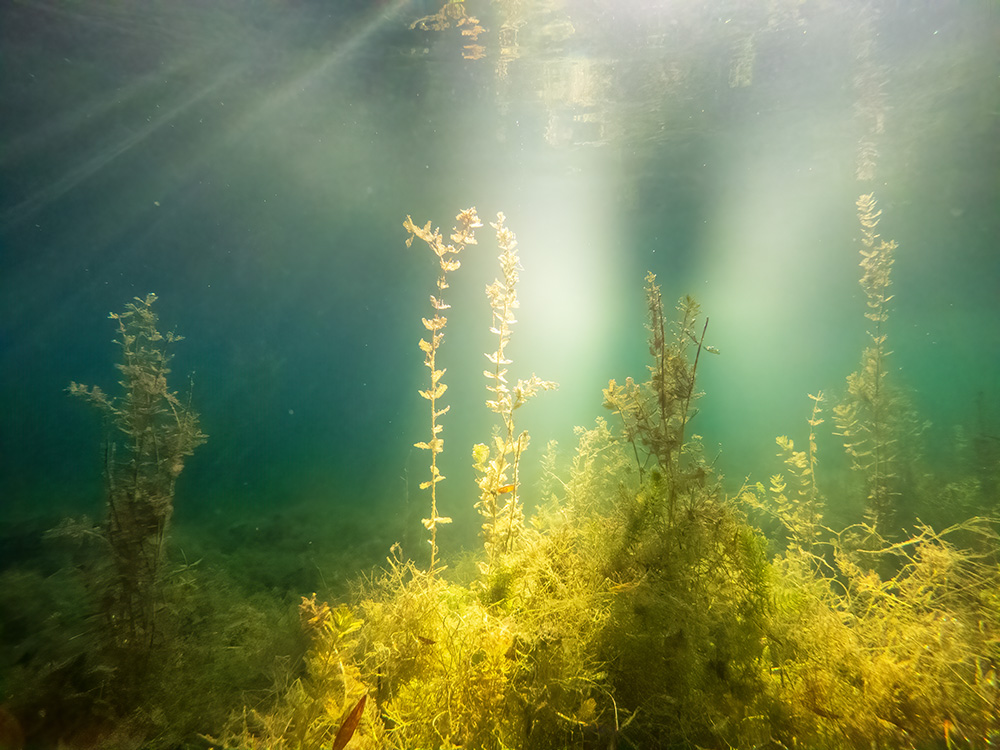
Amongst the projects receiving funding are a two year program involving the Kennebecasis Watershed Restoration Committee in New Brunswick where $94,883 will be invested to implement a public education campaign to curb the spread of Eurasian Water Milfoil and Curly Leafed Pond Weed as well as a monitoring protocol for the tracking of these species, a mitigation policy, promotional tools, an engagement and communication plan, and a mitigation monitoring plan for the Kennebecasis.
Another project in New Brunswick will invest $76,000 through the Société d’Aménagement de la Rivière Madawaska to monitor and detect invasive aquatic species in the Wolastoq watershed, upstream of Grand Falls in northwestern New Brunswick.
A surveillance network will be developed within the Wolastoq hydrogeographic region to ensure preventative detection and proper management of aquatic invasive species, the release of said.
A completer list of the projects is here.
Aquatic invasive species are defined as freshwater or marine plants, animals, algae, and micro-organisms introduced outside their natural or past habitat, the release said, with significant negative impacts on the environment, economy, society and human health.