Canadians are increasingly experiencing the impacts of flooding, drought, aging water infrastructure, and other water-related challenges, and they want governments to invest in stronger, more resilient water systems.
This is all according to a new national poll commissioned by the International Institute for Sustainable Development and conducted by Nanos Research.
The poll found that 72.5% of Canadians believe improving water infrastructure is an urgent priority, while 63.8% say they, or someone in their household, has experienced water-related issues in the past 5 years. More than half (53.6%) believe these problems are becoming more frequent than they were a decade ago.
“Canadians are sending a clear message that improving the way we manage water is an urgent priority and can no longer be treated as tomorrow’s problem,” said Marina Puzyreva, senior policy advisor at IISD.
“People are experiencing these challenges firsthand, and the cost of insufficient action is becoming increasingly visible in communities across Canada. Canadians want governments to invest in practical solutions that reduce risk before disasters happen. Natural infrastructure has an important role to play in building more resilient communities.”
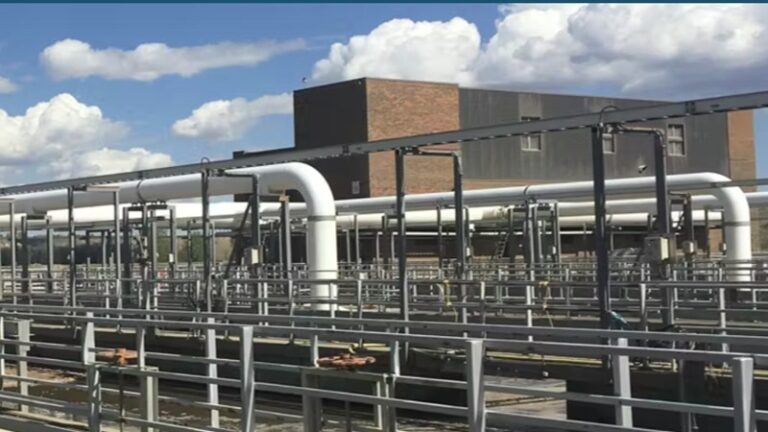
The findings come after another summer marked by flooding in several parts of Canada, including Ontario, Manitoba, Alberta, and Saskatchewan, increasing wildfire-related impacts on watersheds, and continued pressure on aging municipal infrastructure.
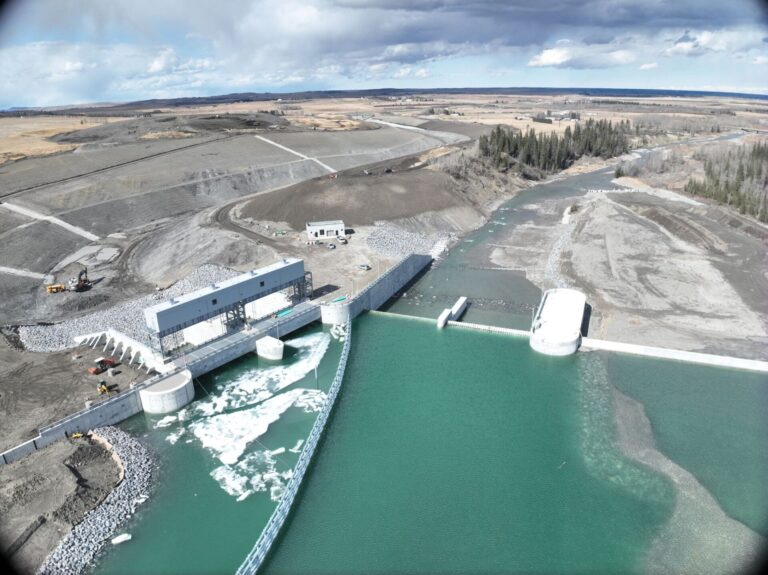
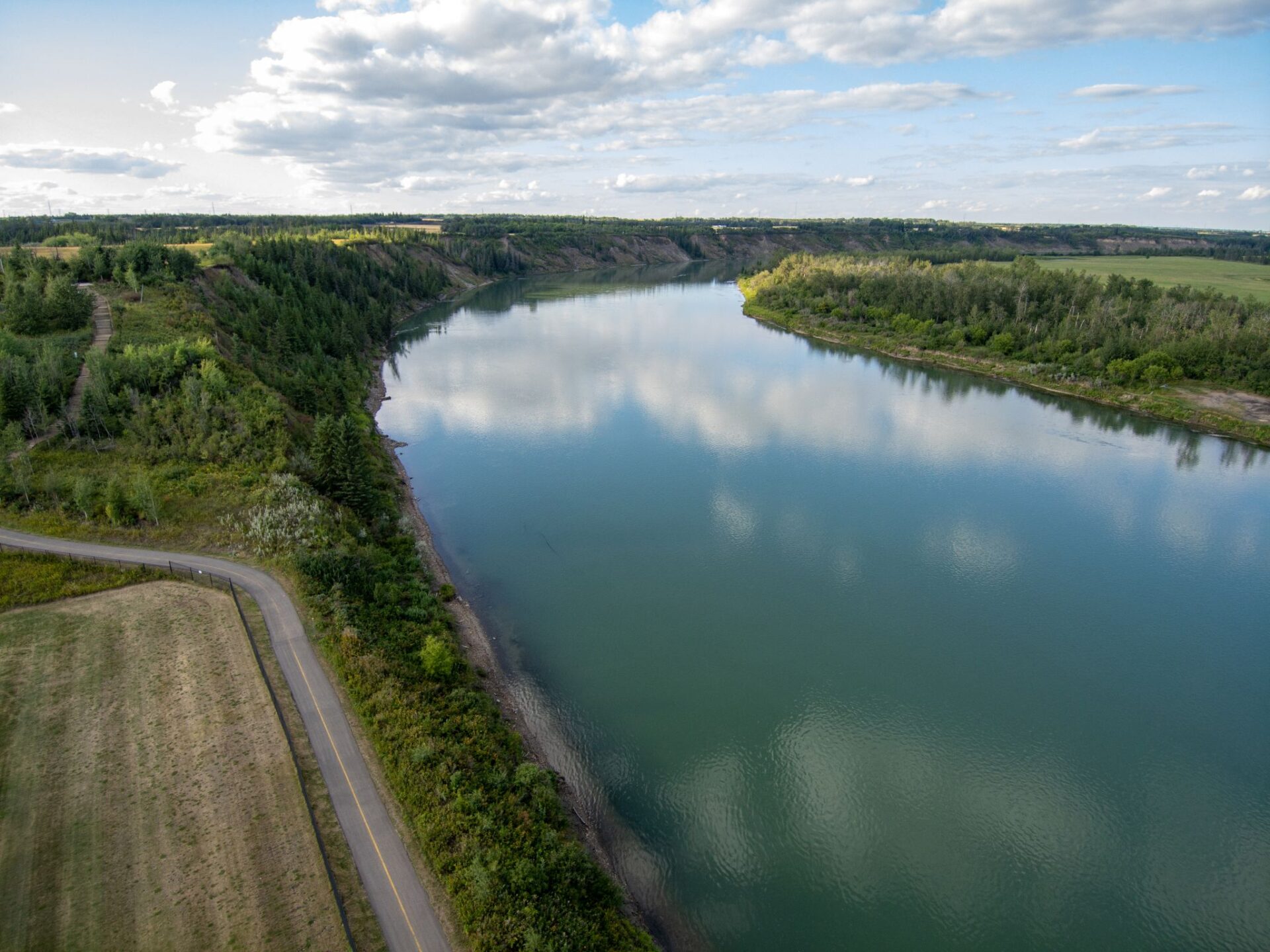
Canadians also increasingly see natural infrastructure as part of the solution; natural infrastructure works with natural systems, such as wetlands and forests in both urban and rural areas, to buffer against floods and droughts, improve water quality, and support stormwater management. 71.1% of respondents said planning and implementing these solutions should be an urgent priority. More than two-thirds (67.6%) said they would view an elected official more positively if they championed natural infrastructure, while 53.5% supported using provincial and federal grants to fund these projects.
“What stands out is not just the level of support, but how consistent it is across the country,” said Nik Nanos, founder and chief data scientist at Nanos Research.
“Canadians may experience different water challenges depending on where they live, but they overwhelmingly agree that improving water infrastructure should be a priority.”
The polling also highlights important regional differences. In the Prairies, one in three respondents (33.2%) reported experiencing water main breaks, nearly double the national average (17.1%). Prairie respondents were also more likely to report poor infrastructure maintenance and lower familiarity with natural infrastructure, underscoring the need for regionally tailored approaches.
The survey also found Indigenous respondents continue to experience disproportionately greater water-related impacts than non-Indigenous respondents, including higher rates of seasonal water shortages and boil-water advisories. These findings reinforce themes explored in Stories of Resilience: Water, a recent publication from IISD and the Resilience Institute documenting how some Indigenous women from the Prairies identify growing water challenges while calling for long-term, locally led solutions.
The survey was conducted by Nanos Research using a hybrid telephone and online random survey of 2,219 Canadians aged 18 and older.
Featured image: (AE)