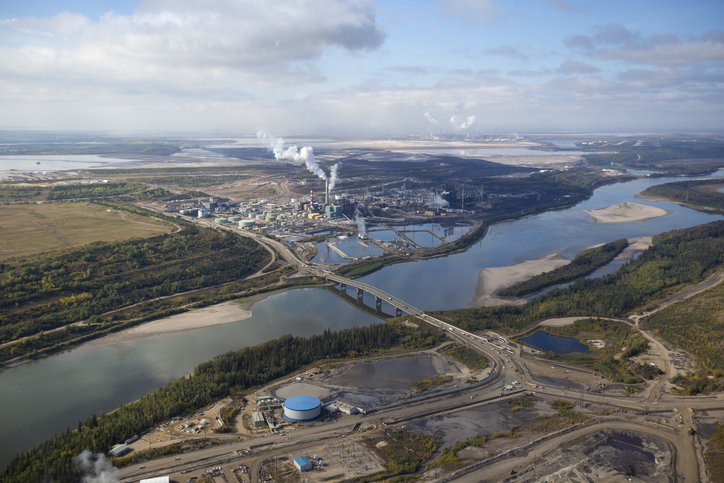
A new federal-provincial report finds that surface water in Alberta’s oil sands region is generally stable and safe, with some areas showing signs of improvement, according to officials.
The Oil Sands Monitoring Program released its first state of the environment report focused on water quality and quantity across the region. The report draws on 50 years of data from more than 150 monitoring sites along the Athabasca, Peace and Slave Rivers and their tributaries.
The analysis found no consistent, widespread changes in water quality downstream of oil sands operations. Some smaller rivers and streams, however, showed localized increases in metals and salts, which will be studied further. Overall, more than half of the monitoring sites indicated declines in metals such as dissolved zinc and titanium over time.
Rebecca Schulz, Minister of Environment and Protected Areas, said the findings reflect the province’s commitment to transparency and scientific oversight. “Albertans can be confident that our water is safe and that our energy sector is committed to responsible development,” she said.
The report examined more than 1,000 water quality parameters, using 25 sets of guidelines, 2.5 million data points and over five million individual comparisons to ensure accuracy. It noted that naturally occurring bitumen, industrial activity or a combination of both can affect water quality in the region.
Water flow patterns in the Athabasca and Peace Rivers were also assessed. The Peace River was found to have flows roughly three times greater than the Athabasca, while the Athabasca’s flows showed both higher and lower variability over time. Industrial water withdrawals account for a small fraction of river flow—about two per cent in winter and less than one per cent in summer.
The Oil Sands Monitoring Program is a collaborative initiative involving federal and provincial governments, industry and Indigenous partners, and is among the largest environmental monitoring programs of its kind globally. Officials say monitoring will continue, with targeted research in areas such as the Muskeg River to better undersand localized changes and ensure the protection of residents, wildlife and the environment.
The report does not affect drinking water safety, which continues to meet national guidelines. Authorities remind the public that untreated water should never be consumed directly from rivers or streams.