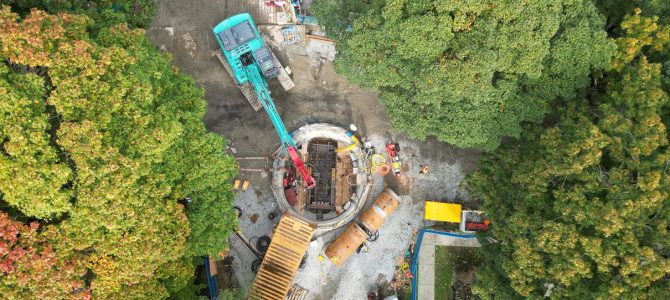
The City of Vancouver is testing a trenchless construction technique to renew aging sewer pipes beneath Memorial West Park, aiming to reduce disruption to park users and nearby residents while extending the life of critical infrastructure.
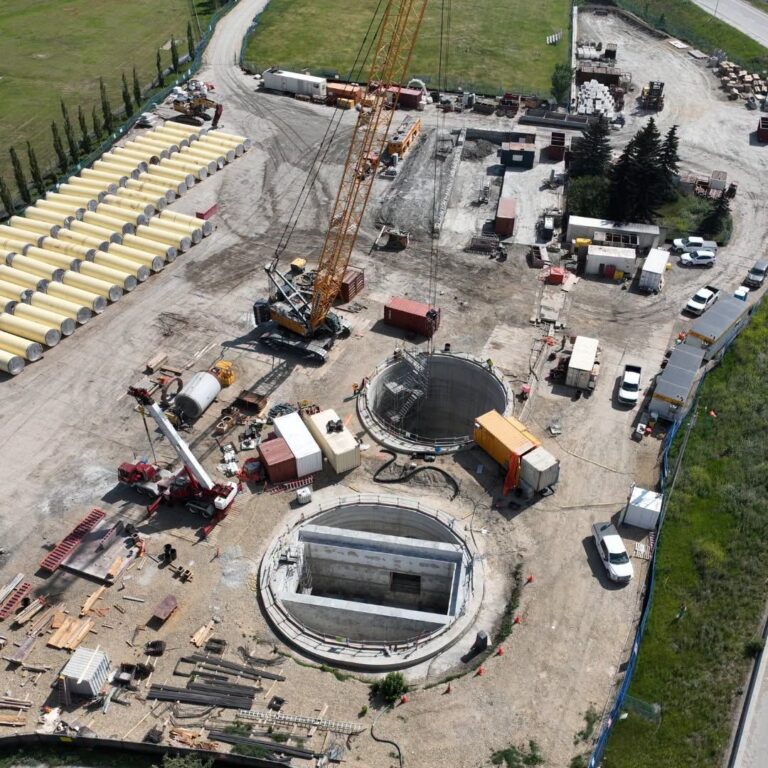
Instead of excavating a large open trench, crews are using a remotely controlled micro-tunnel boring machine to install new sewer infrastructure underground. City officials say the approach allows most work to take place below the surface, keeping much of the park accessible, preserving 24 mature trees and shortening the construction timeline.
Mayor Ken Sim said the pilot project reflects the city’s efforts to find less disruptive ways to complete essential infrastructure work.
“We know that construction can be frustrating and disruptive, so we are always looking for better ways to complete core infrastructure work,” Sim said in a statement, adding that the successful tunnel installation shows the method could be used on future utility projects.
The tunnelling work was completed in October, when crews installed a concrete storm sewer main beneath the park’s central pathway, running between West 31st and West 33rd avenues. After the tunnel was completed, workers used a second trenchless technique known as sliplining, inserting a smaller pipe inside the existing combined sewer main and securing it with grout. The method is intended to extend the service life of the aging pipe without extensive excavation.
Further work is scheduled for 2026, including completing the sliplining, connecting the new pipes to existing water and sewer systems, and installing new maintenance holes. During that phase, the playground and pedestrian pathway through Memorial West Park are expected to close for approximately three to four weeks. Construction is anticipated to be completed by spring 2026.
The project is valued at $10.6 million and is being delivered under the city’s 2023–26 capital plan. It forms part of broader efforts in the Dunbar–Southlands neighbourhood to replace aging combined sewer infrastructure with separated sewer pipes.
City officials say the upgrades are intended to support population growth, accommodate heavier rainfall linked to climate change, and help Vancouver meet regulatory requirements to eliminate combined sewer overflows by 2050.
Featured image: City of Vancouver